What's My Spring Rate
Use our Smashpot Spring Rate Calculator to determine your recommended spring rate based on your riding preferences.
It is important to consider where/what you ride the majority of the time for the best recommendation. Each input is explained below.
Rider Weight: This is your weight fully kitted (including gear & pack). An approximation is fine.
Bike Weight: If you know roughly, great! If not, 33lbs/15kg for a regular bike, 50lbs/23kg for an e-bike.
Terrain Speed: This is a measure of the speeds naturally inherent to the terrain you ride. A moderate downslope with open corners will favour high speeds. Low angle, undulating terrain with a lot of pedalling, or persistent steeps, promotes low speeds.
Rider Level & Aggression: Your ability to attack any given trail, including corners, rough and slippery terrain, and steep sections at speed.
Strength to Weight Factor: We're not all Olympic athletes. Will an unexpected hard compression throw you off the bike? Can you handle a sustained beating down a 5 minute trail without taking a break?
Jump Size: Consider the size of the jumps you like to ride. Some comparisons:
Small - jumps up to a bike length long, drops up to 2ft.
Medium - Most table tops, small gaps, and less-than-head height drops.
Rampage - Big gaps, huge step downs, Pro Freerider stuff.
Preferred Feel: A compliant setup will give better bump sensitivity and be easier on the rider. A stiff setup will favour support but will be a bit more physically demanding on the rider.
RIDING IS BELIEVING
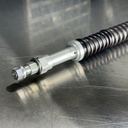
Smashpot Features
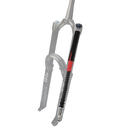
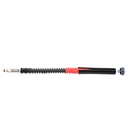
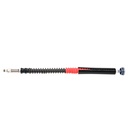
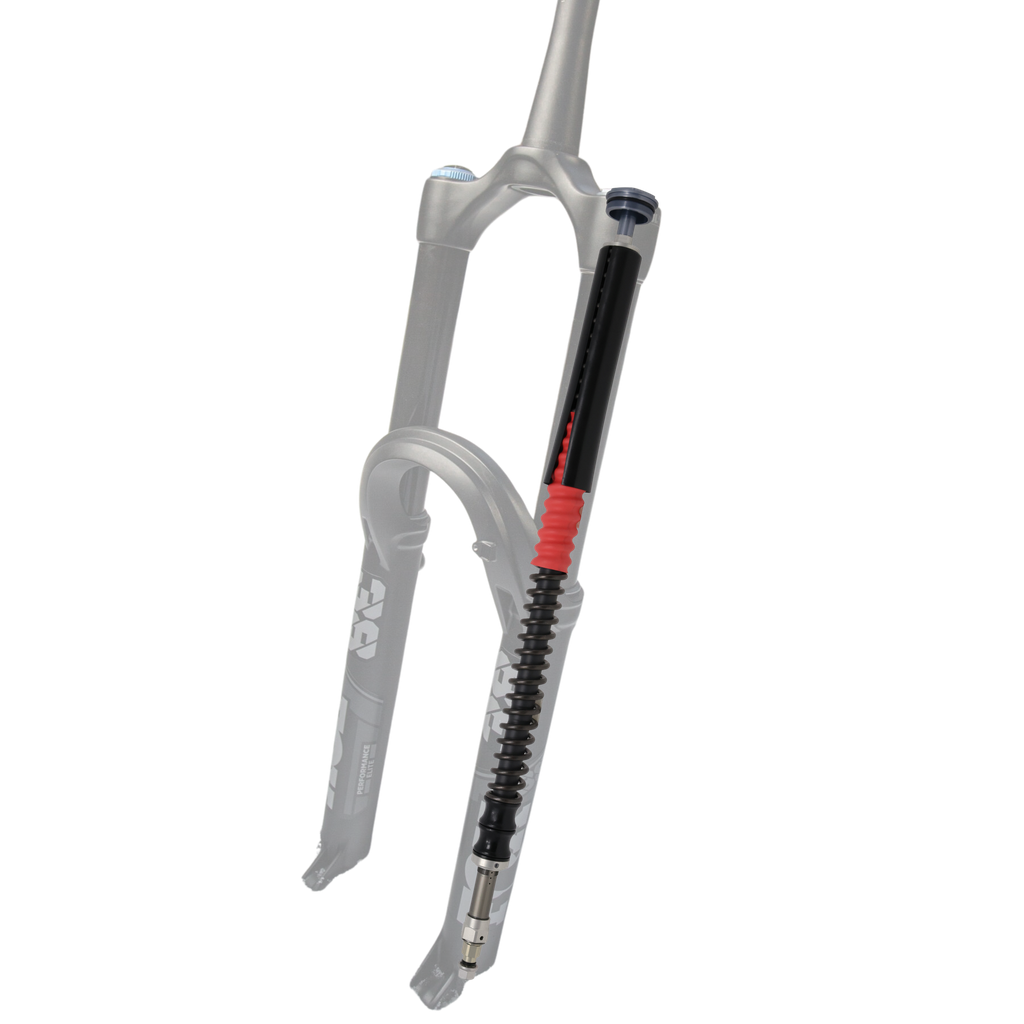
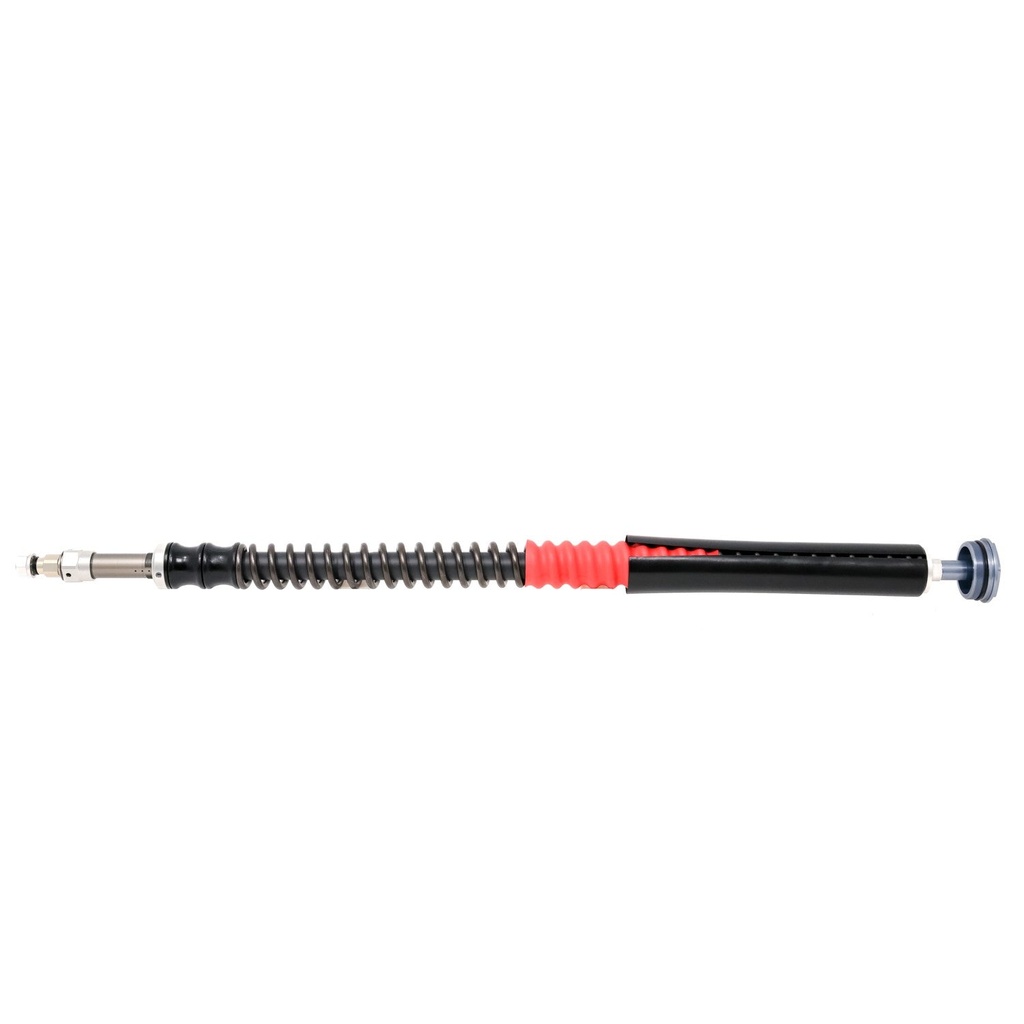
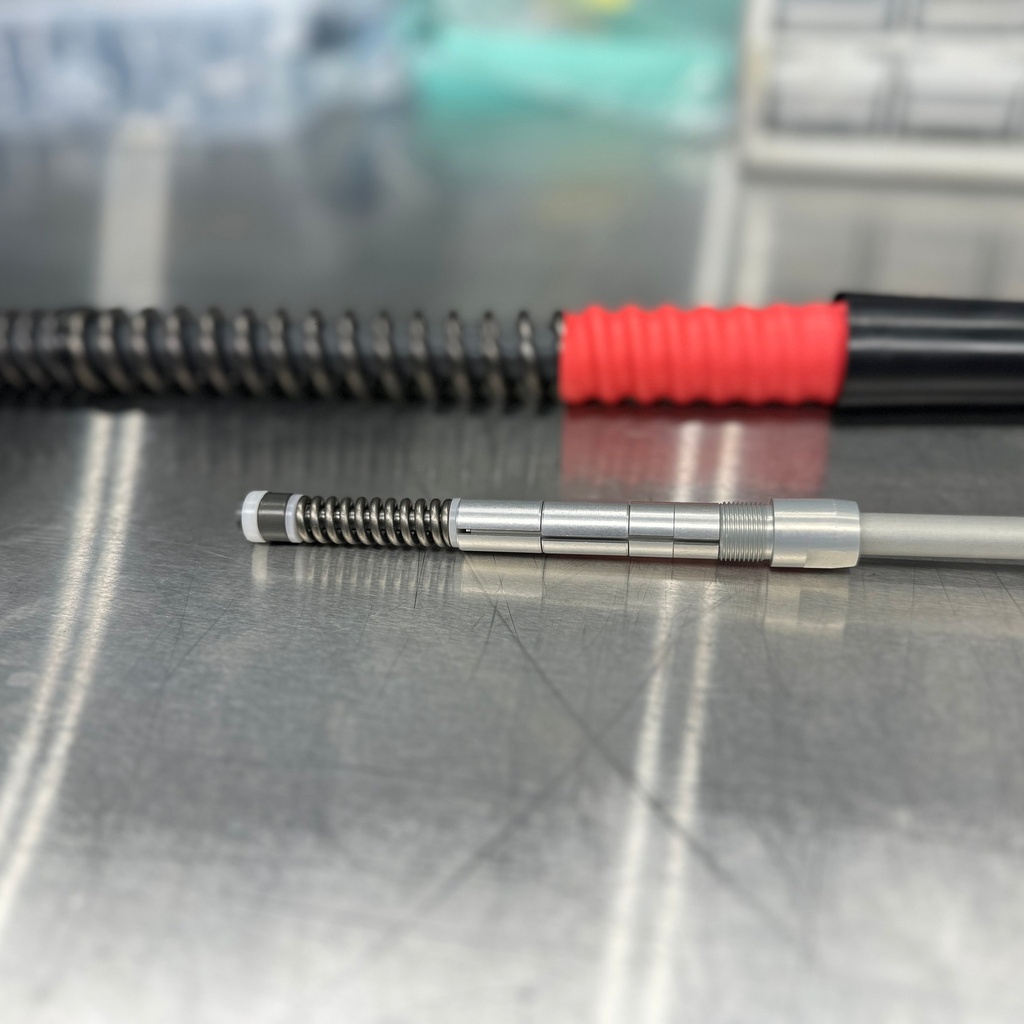
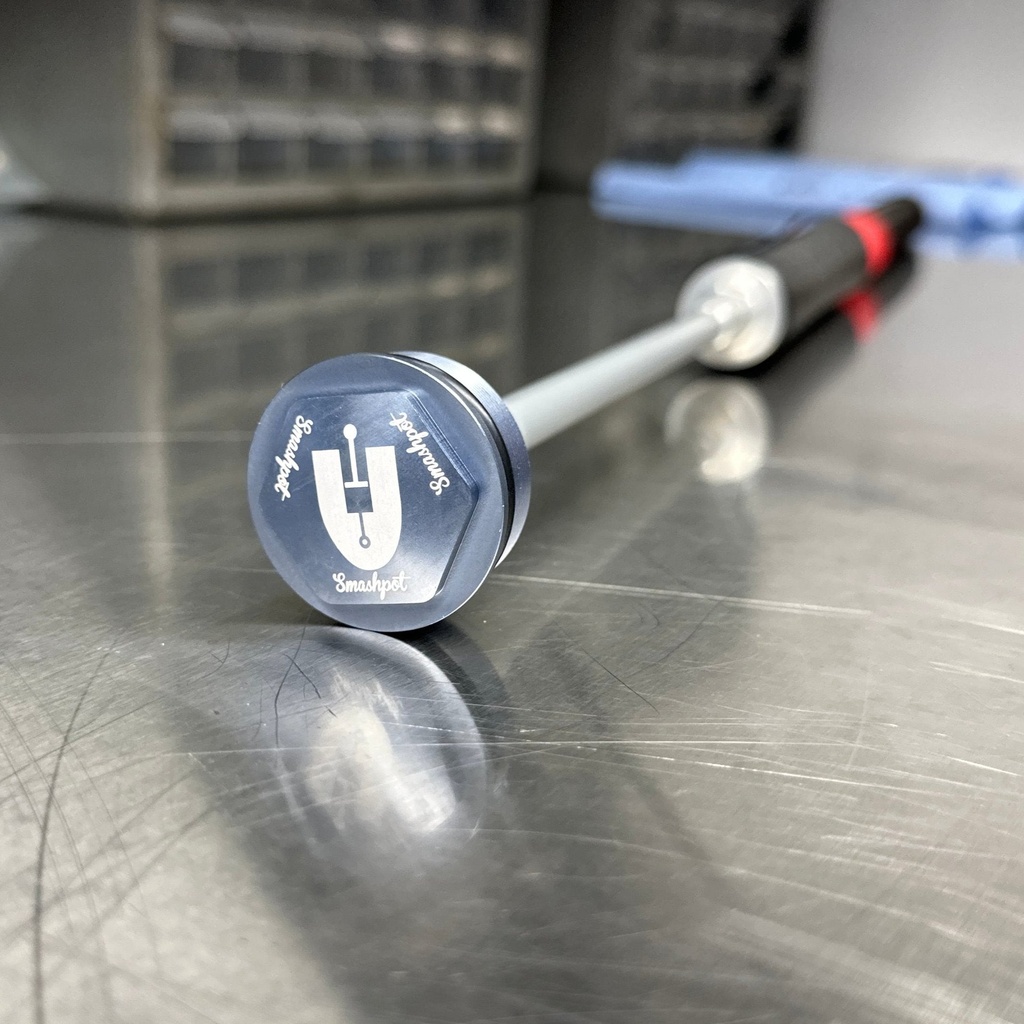
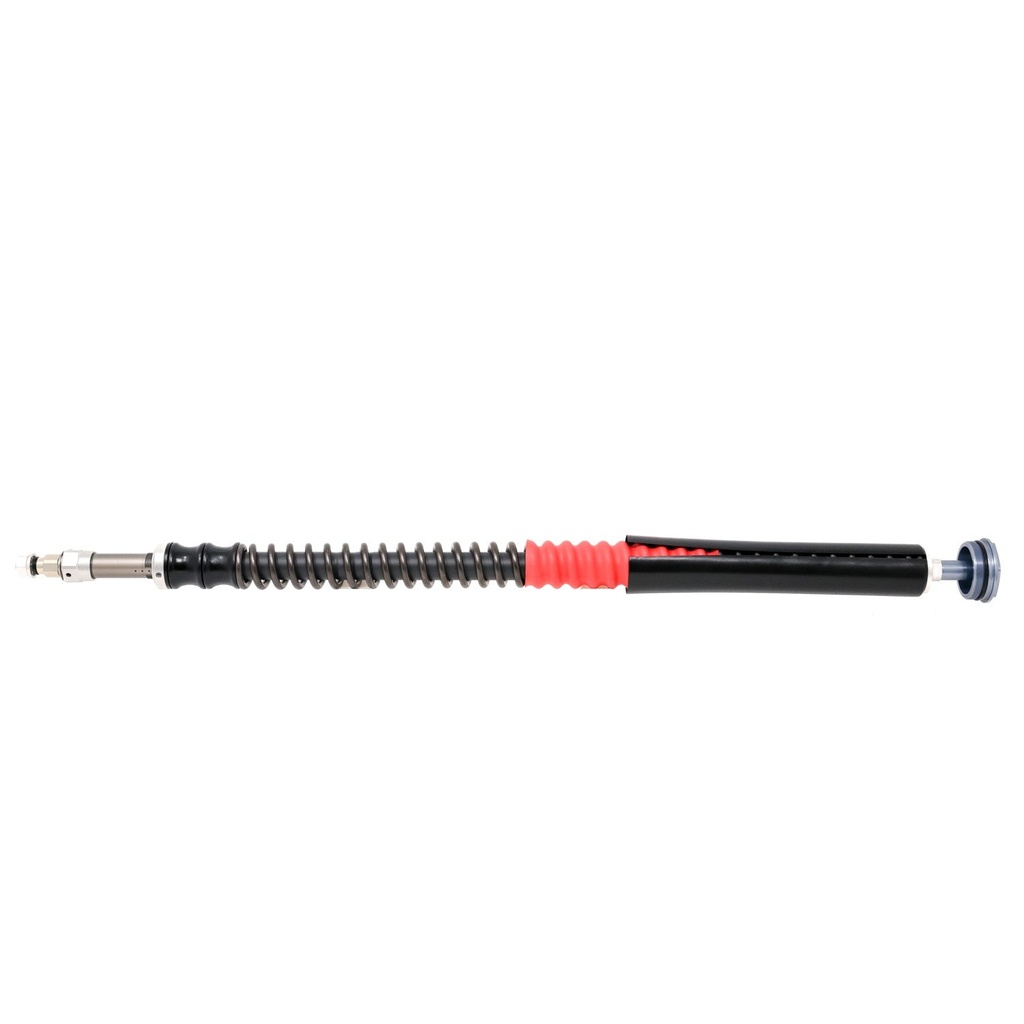
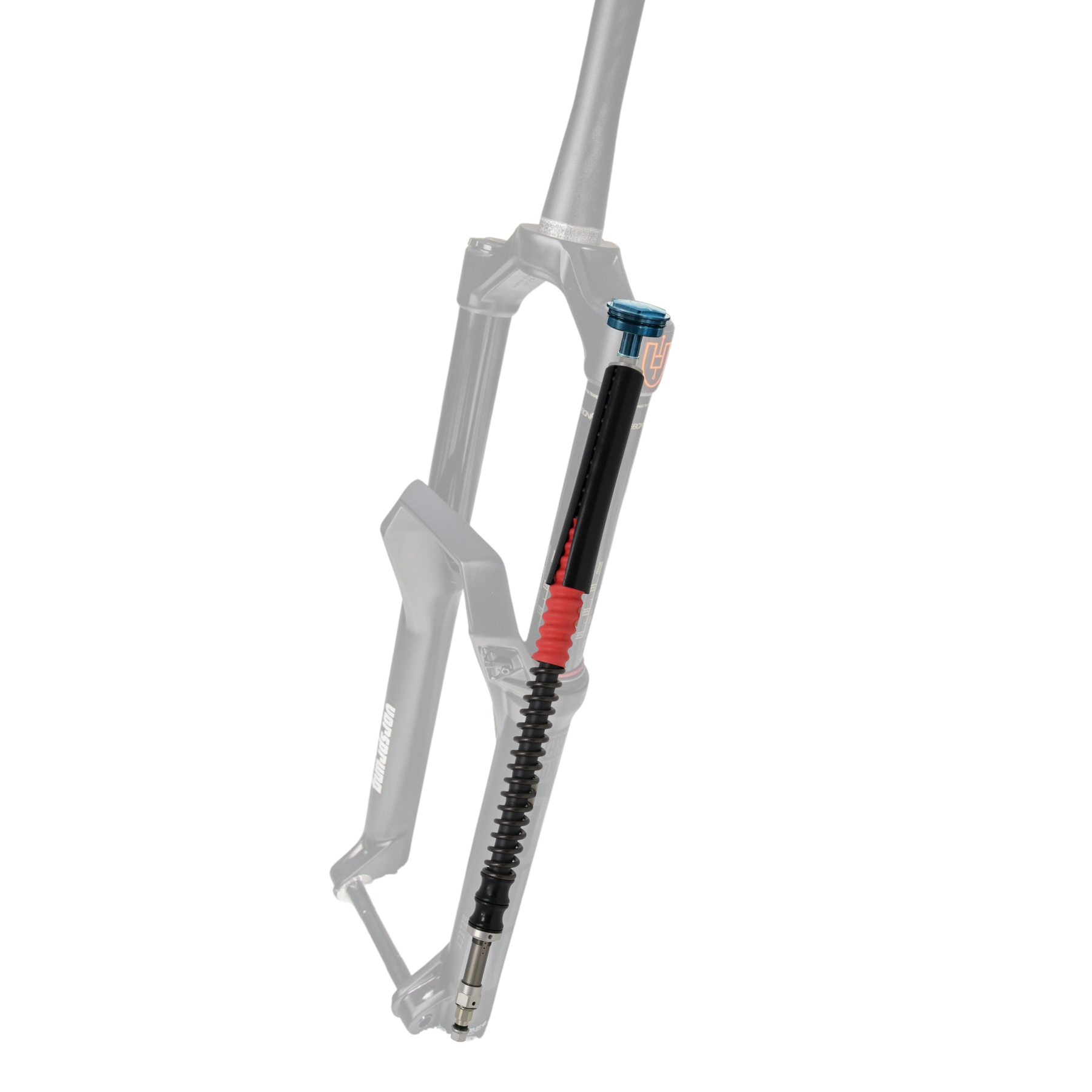
- Turn your mountain bike into a monster truck
- Phenomenal sensitivity & bump-eating performance
- Consistent, predictable spring rate in all conditions
- Cuts fork friction roughly in half compared to an air fork
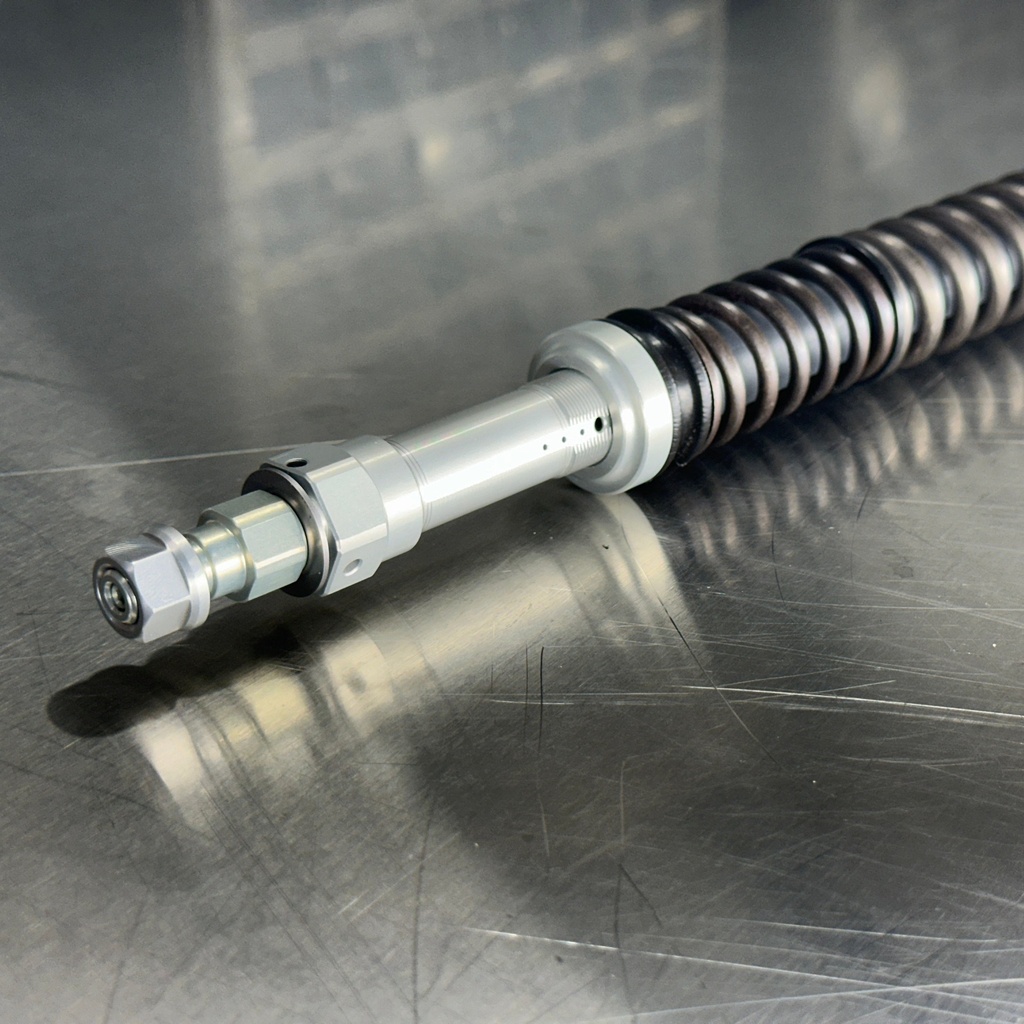
- Adjustable hydraulic bottom out control for the big hits
- Caters to rider weights from 45kg (100lbs) to 125kg (275lbs) with 11 coil spring rates
- Allows lighter riders to get the most use out of their forks
- Allows heavier riders the support they need without the harshness that comes with excessive air pressures
- Easily adjust your travel with internal spacers - no new parts required
- Unique Hydraulic Bottom-out System prevents harsh bottoming
- Can be transferred between different forks with minimal parts /cost
- Reliable and low maintenance, set and forget.
- Easy to install and easily serviceable
SMOOTH & CONSISTENT
Why Coil?
Air springs have improved substantially over the years - and we've been at the forefront of air spring development for years, so we've got no bridges to sell you. Yeah, coils are heavier than air, and for some riders that alone is a dealbreaker - fair enough. The advantages of coil springs, however, are clear:
Zero stiction or friction in a coil spring. And no moving seals in the spring system to wear out, cause friction or leak.
Zero spring rate variation allowing more mid-stroke support and consistency.
More oil in the fork - lubrication and service life are improved.
In short, improvements in sensitivity, grip, compliance, mid-stroke support and consistency, with reductions in harshness and hand pain.mething...
BOTTOM OUT RESISTANCE
Adjustable Hydraulic Bottom Out Control
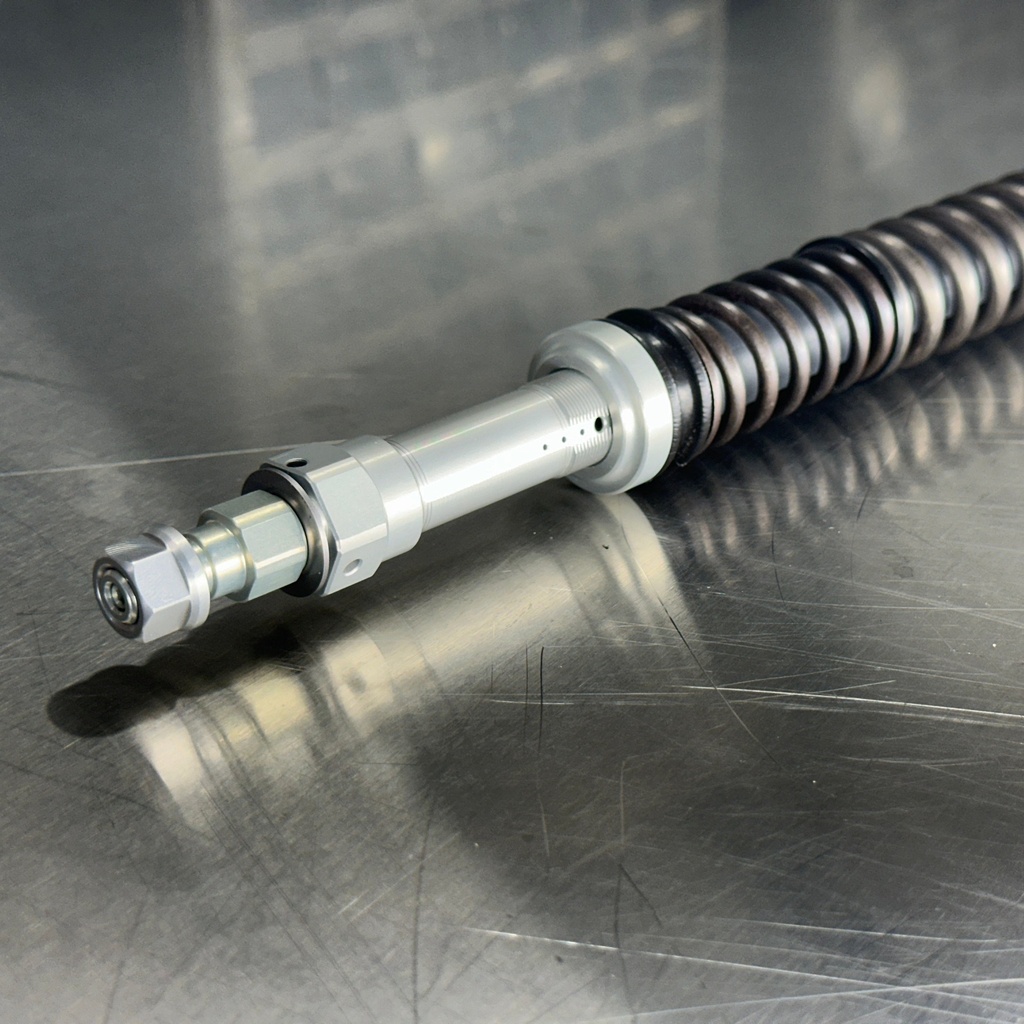
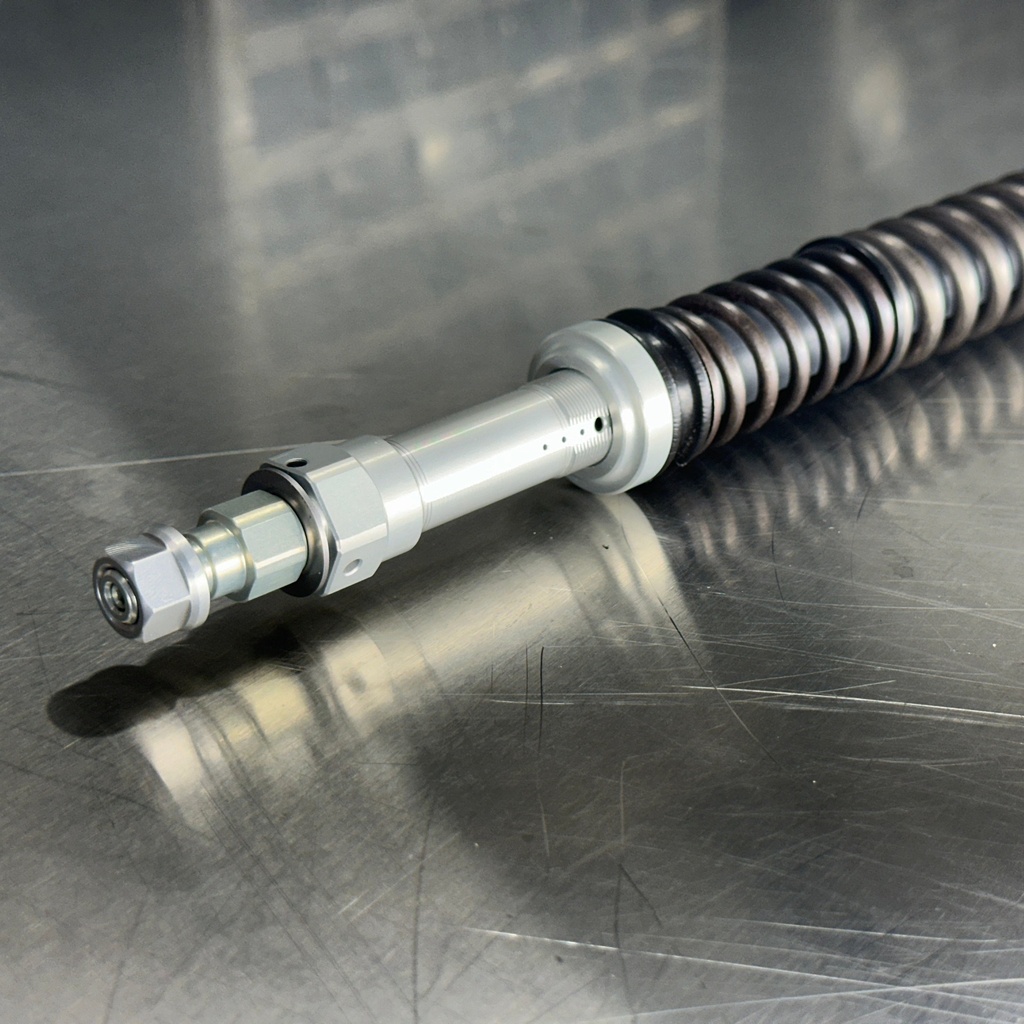
Weight aside, air springs outperform coil springs in one critical area: bottoming resistance. The hydraulic bottoming control valve addresses this with a speed sensitive shimmed valve which engages progressively and seamlessly in the last 40mm of travel, bringing the fork to a smooth and controlled stop at the end of the travel. High energy and low energy inputs are effectively managed without harshness. Easy tool-free external adjustment ensures you get as much or as little bottoming resistance as you need at the turn of a dial. Increased stability as energy is dissipated, rather than stored and thrown back at you.e something...
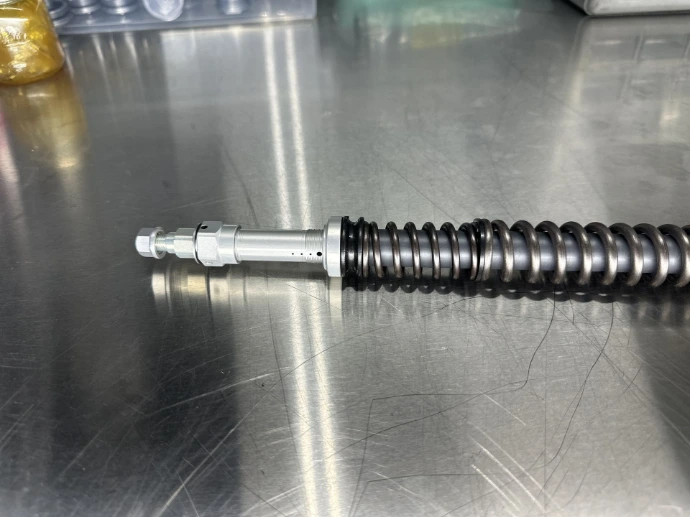
Dual-Rate Progressive Springs
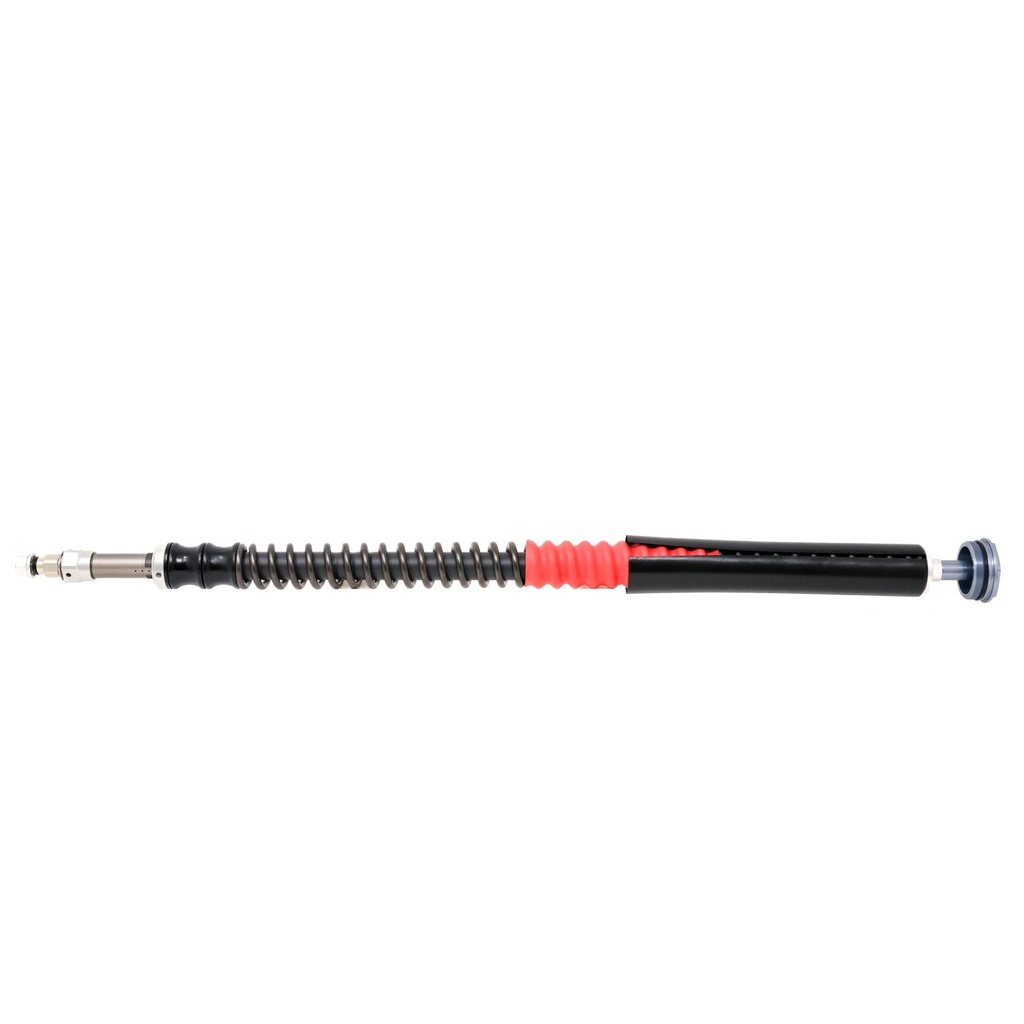
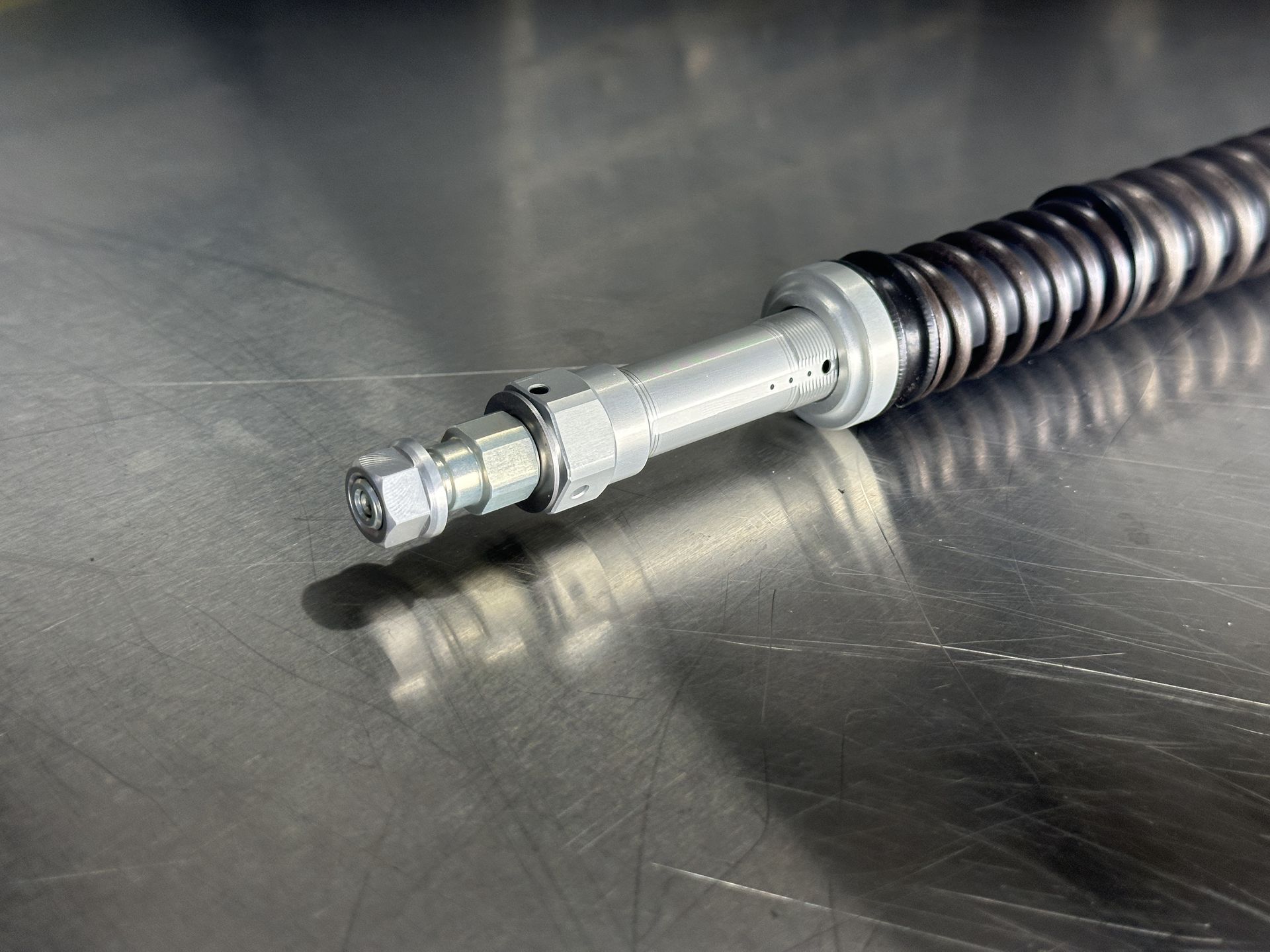
New dual-rate progressive spring curves for 180-200mm travel settings give you the ultimate combination of initial compliance and deep stroke support.
Say goodbye to harshness. You've never ridden a mountain bike fork that felt this good.
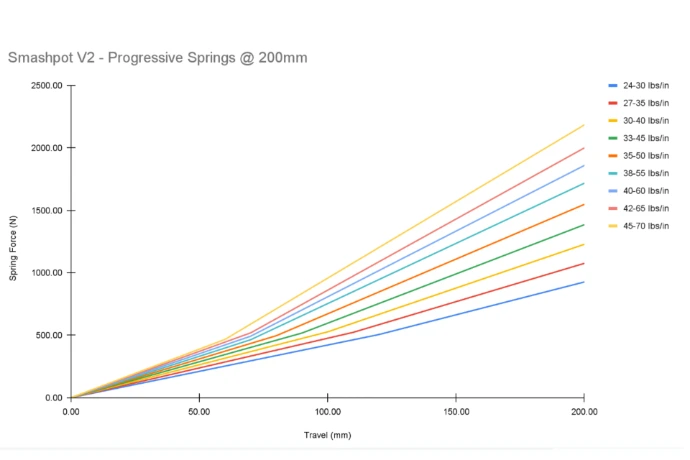
Supple? Yes. Supportive? Yes.
Eat up the small stuff without compromising on the big compressions.
Smashpot V2 is more progressive at firmer spring rates - more support for heavier & harder-charging riders, without restricting travel usage for lighter & more cruisy riders.
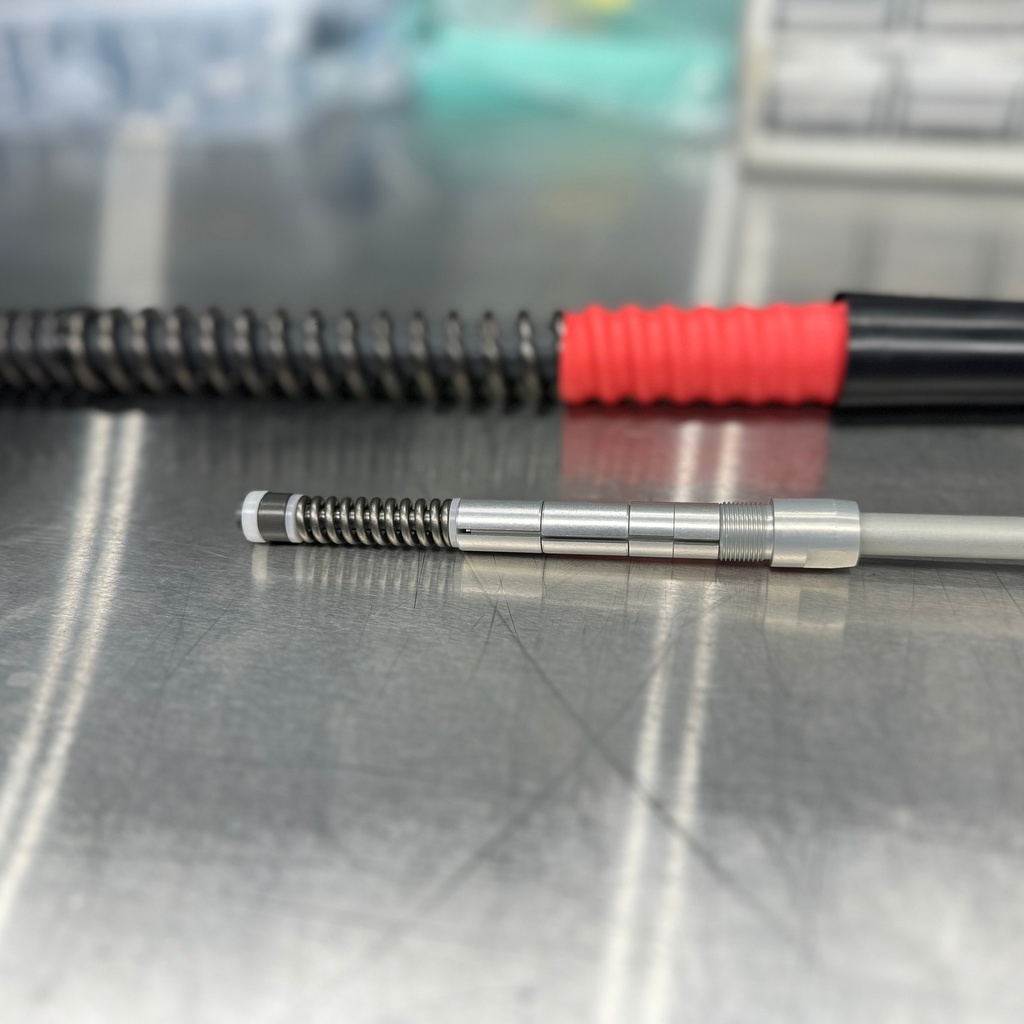
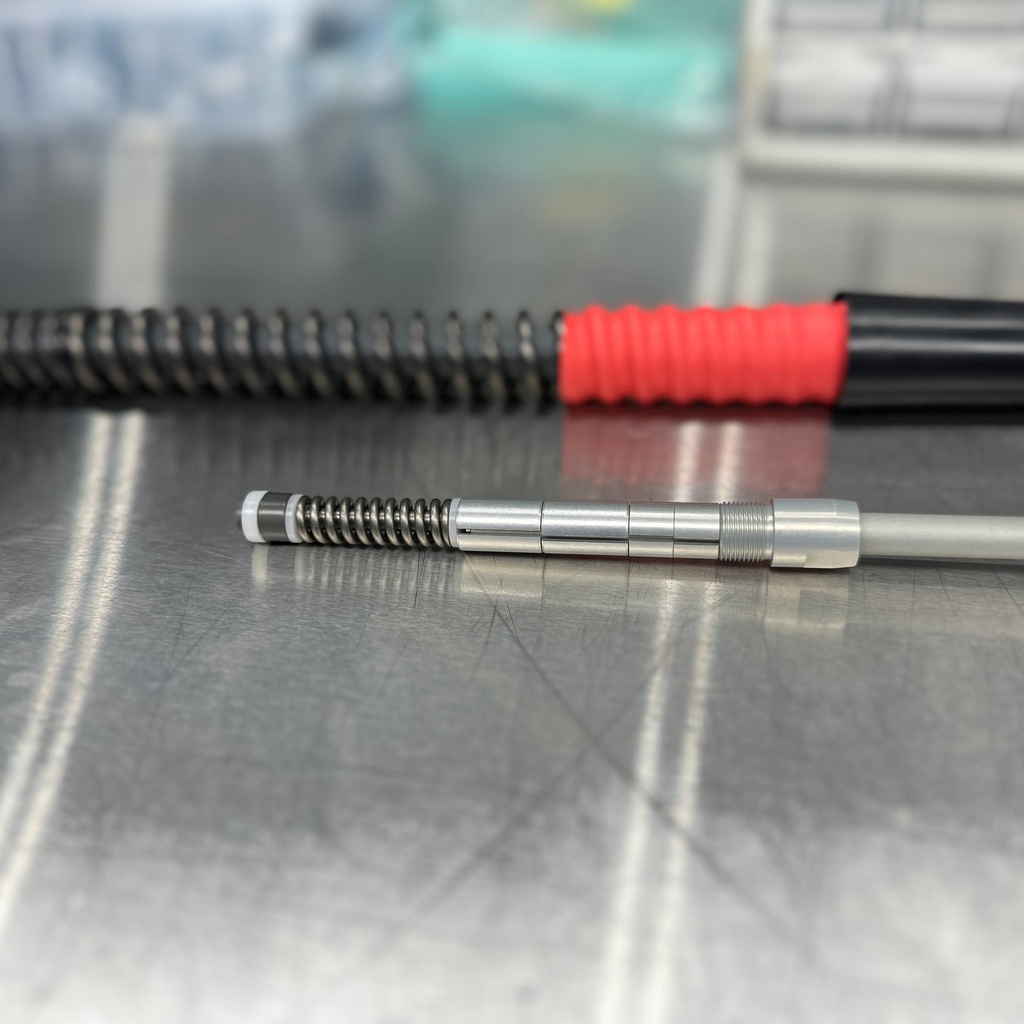
Two secondary springs are included with each 180+mm setup so you can fine tune your progression and starting spring rate.
Frequently asked questions
Have some questions about the Smashpot?
Travel is set internally during installation, anywhere from 140mm to 200mm (don't exceed the maximum your fork is able to use!). You don't need to specify a travel when you order - your kit can do any of those. Any fork model that can handle 180mm and above of travel will have the two secondary springs automaticaly included.
It's heavier than your air spring by between 250-450g, depending on spring rate (firmer springs are generally heavier) and the fork's original spring system. If the weight bothers you, you may be more interested in a Luftkappe or Secus.
It depends, on some forks like Ohlins or the F38 that doesn't use the ID of the stanchion as sealing surface, then yes, possibly. There is a risk that spring rub may score the inside of your stanchion, so the the air piston may not seal again. The spring is both isolated and guided to minimise stanchion knock and rub, however we cannot guarantee an air spring will seal again after riding with a spring installed. We'd be pretty surprised if anyone actually wanted to do this after riding the Smashpot though.
As with any aftermarket modifications, it should be expected to void the fork manufacturer's warranty.
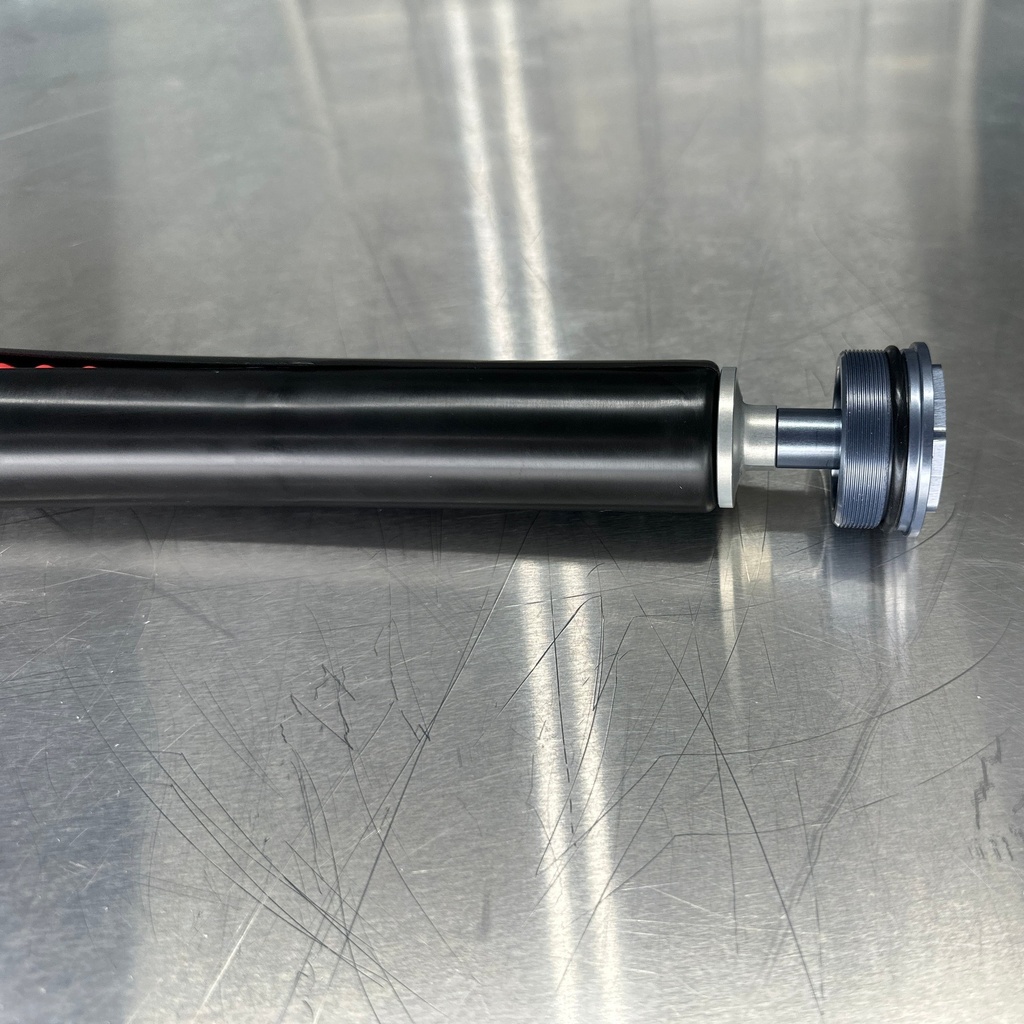
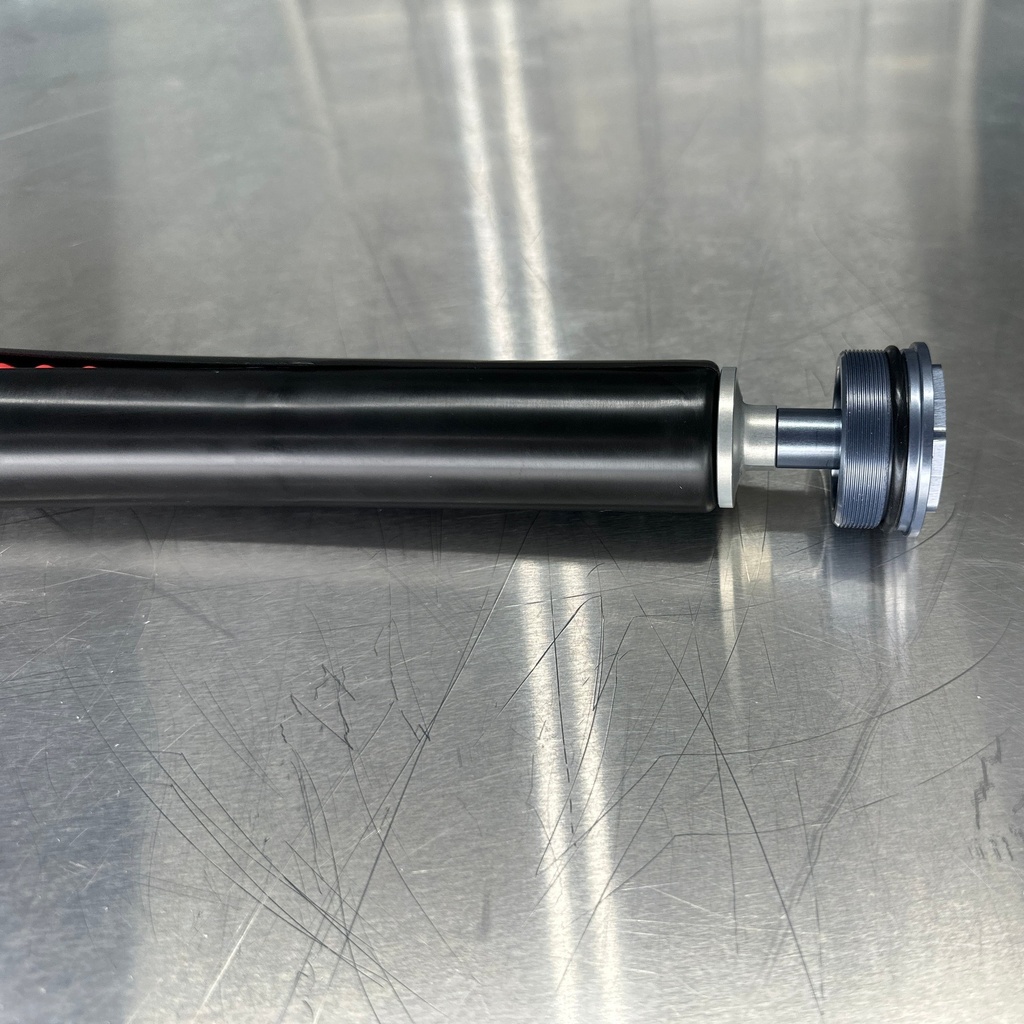
All spacers required are included with the kit. If you do not have the original parts, you may also need 'Travel Adjust Kit'. You will want more heat shrink for the cartridge tube, as it's installed after travel is set internally. CLICK HERE FOR SPARE PARTS.
More info can be found here.
Yes, to a certain degree, you cannot push your travel past the max permissible by the fork manufacturer. These change year by year across year models (for example, Lyriks from 2016-2022 were 180mm max, but from 2023+ they are 160mm max). Check with your fork's manufacturer regarding the maximum travel of your fork - if in doubt, don't exceed what your existing fork is currently set to.
Spring:
2:1 singlewall polyolefin non-adhesive, with an initial (non-shrunk) diameter of 1.25" (32mm).
1.5" (38mm) initial diameter will also work.
Outer tube:
2:1 singlewall polyolefin non-adhesive, with an intital (non-shrunk) diameter of 3/4" (19.1mm)
SMASHPOT OR SECUS, WHICH ONE IS RIGHT FOR YOU?
Most mountain bike forks these days are air sprung, likely due to being easily adjustable and light, however the performance benefits of coil springs are clear, so why one and not the other - ‘Should I go for the Smashpot or the Secus?’
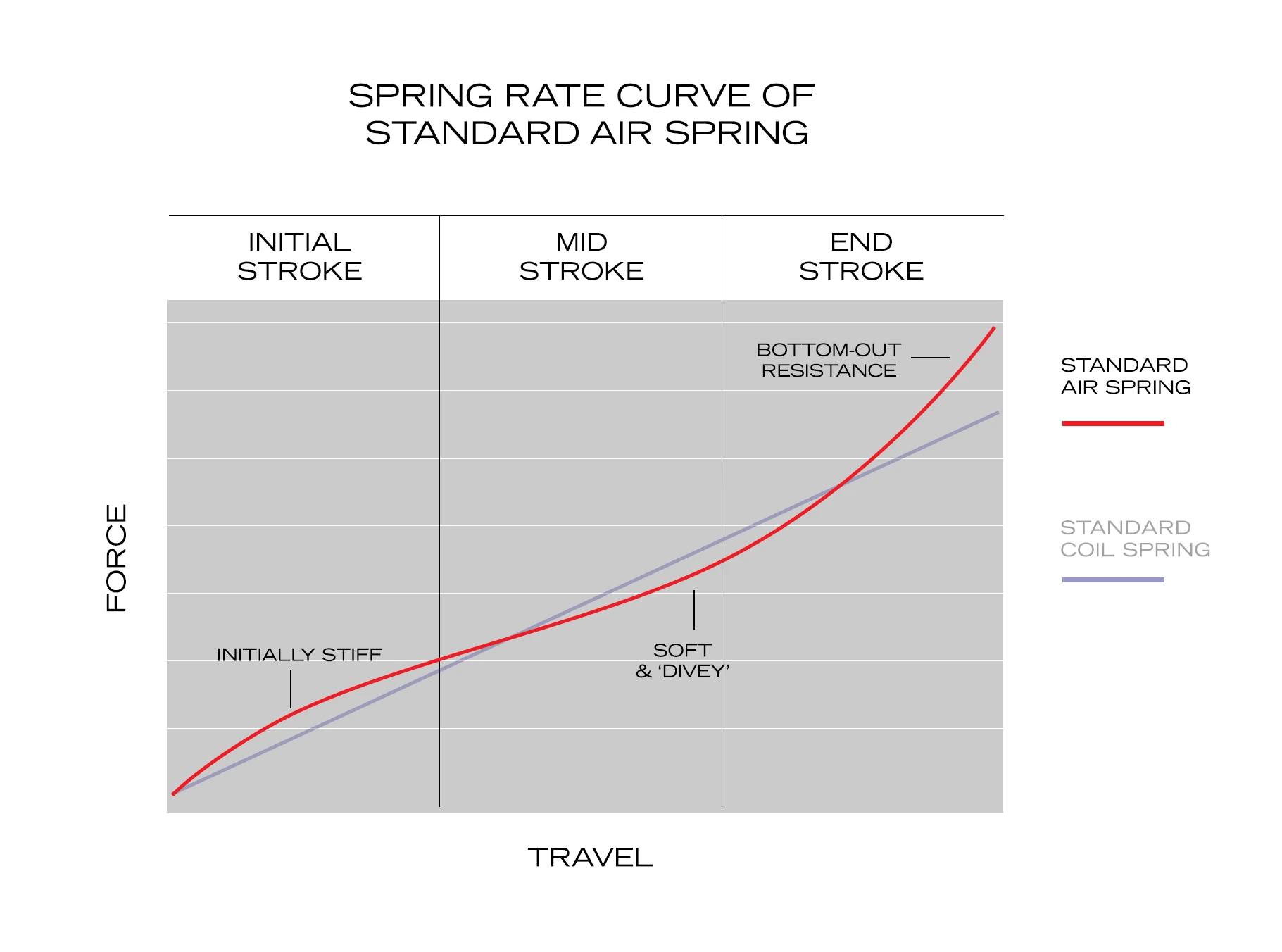
A question that comes up often is 'Which one should I get?'. Before diving into this, let's look at the difference in behaviour of coil springs and air springs in forks. The best way to do this is by observing their spring curves - a graph of how much force it takes to compress the spring, and its displacement at each point in the travel. That is, what is happening with the spring rate as a fork moves through its travel.
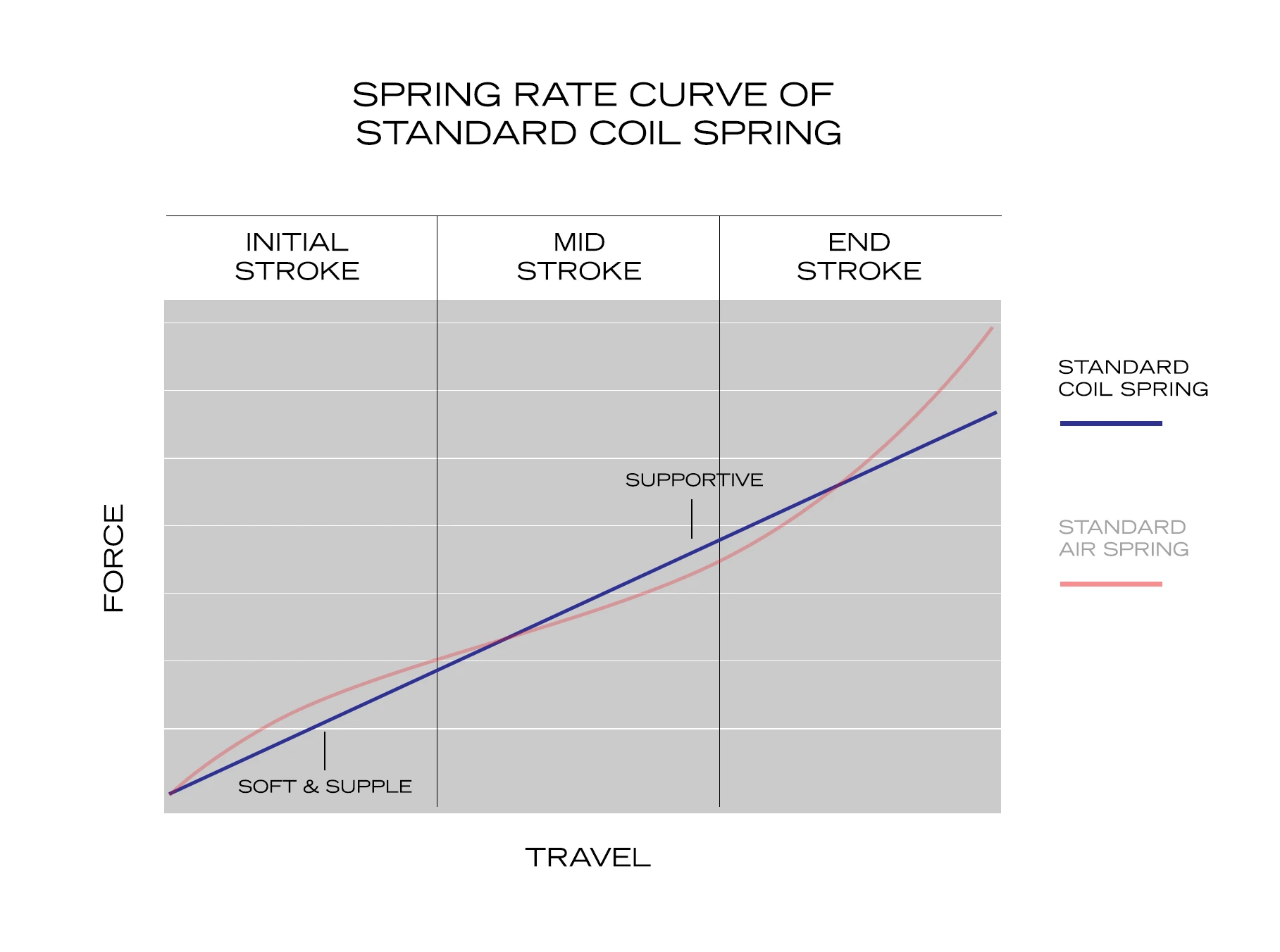
The spring rate of a coil spring remains consistent as the fork moves through its travel.
The spring rate of an air spring is not consistent, and ramps up as the fork moves through its travel.
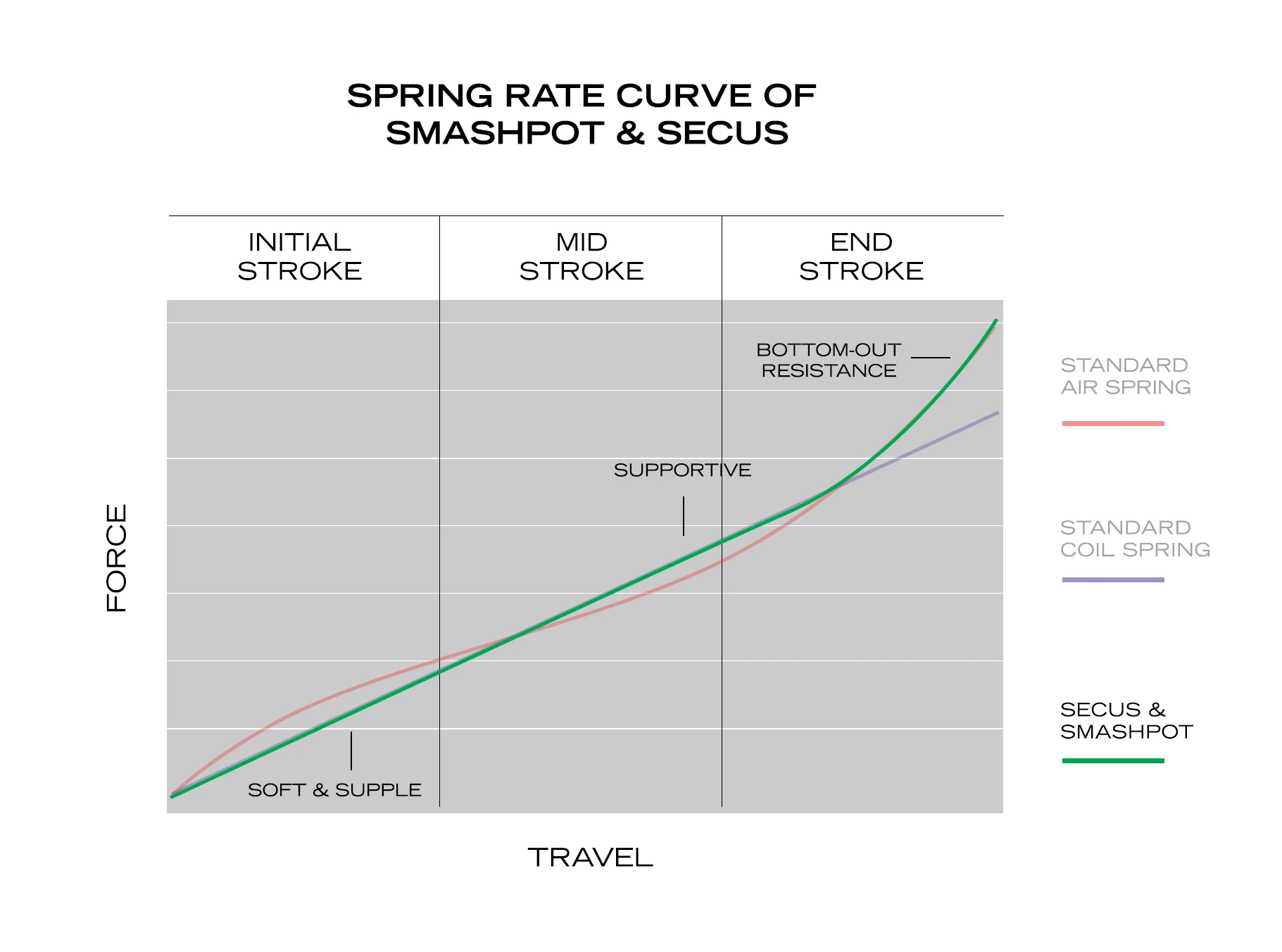
Both our Smashpot and the Secus aim to deliver a linear spring rate curve for the majority of the travel, with adjustable end-stroke ramp.
SO WHAT'S THE DIFFERENCE?
| Smashpot | Secus | Difference | |
| BOTTOMING PROTECTION | Has an externally adjustable hydraulic bottom-out system. | Comes from its air spring curve ramp up | Both the Smashpot and Secus offer bottoming protection. |
| SPRING RATE SET UP & ADJUSTMENT | Adjusting your spring rate on a Smashpot requires physically changing springs. The hydraulic bottoming control is adjusted with an external dial. | Adjusting your spring rate with a Secus requires adding or subtracting air like any other air fork. You can add or subtract tokens to control the end-stroke ramp. | If you love to fiddle with your setup for various reasons, the Secus is the way to go. If you’d rather set and forget, the Smashpot. |
| FRICTION | Has zero stiction or friction, no moving seals in the spring system to wear out, cause friction or leak. | Is no different to stock air fork as sliding seals are unchanged | Smashpot is the clear winner here, as air spring sliding seals are a significant fraction of the fork's total friction. The Smashpot can reduce total friction in the fork by as much as half. |
| MAINTENANCE | - Low maintenance - Check heat shrink location on spring and replace oil with each lower leg/dust wiper service, performed at manufacturer's recommended intervals. - No other seals need routine maintenance. | - Air spring moving seals are unchanged from stock - still need servicing periodically as per manufacturer's recommended intervals. Lower leg servicing intervals remain as stock. - Secus body to be serviced every 200hrs. | Smashpot performance doesn't degrade over time whereas air springs do develop more friction and stiction over the course of their service intervals. |
| REVERSION TO STOCK | - No guarantee of being able to convert back to air for Pike/Lyrik/36, spring may score inside of stanchions. - Fox 38 will typically be able to be reverted to air as the stanchion is protected by a sleeve. | - Can return to stock by replacing the original footstud. | For the 38, no difference in removing the Smashpot to carry forward to your next fork, but for other forks the Secus has an advantage here. |
| WEIGHT | - Adds approx 250-500g depending on spring rate and what fork it was added to (weight of air spring components removed must be accounted for). | - Adds approx 130g. | Secus is the clear winner in terms of weight. |
Alternative Products
These other products might interest you