RIDING IS BELIEVING
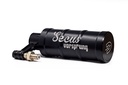
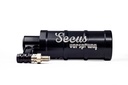
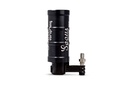
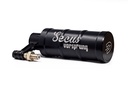
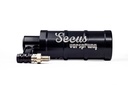
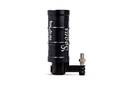
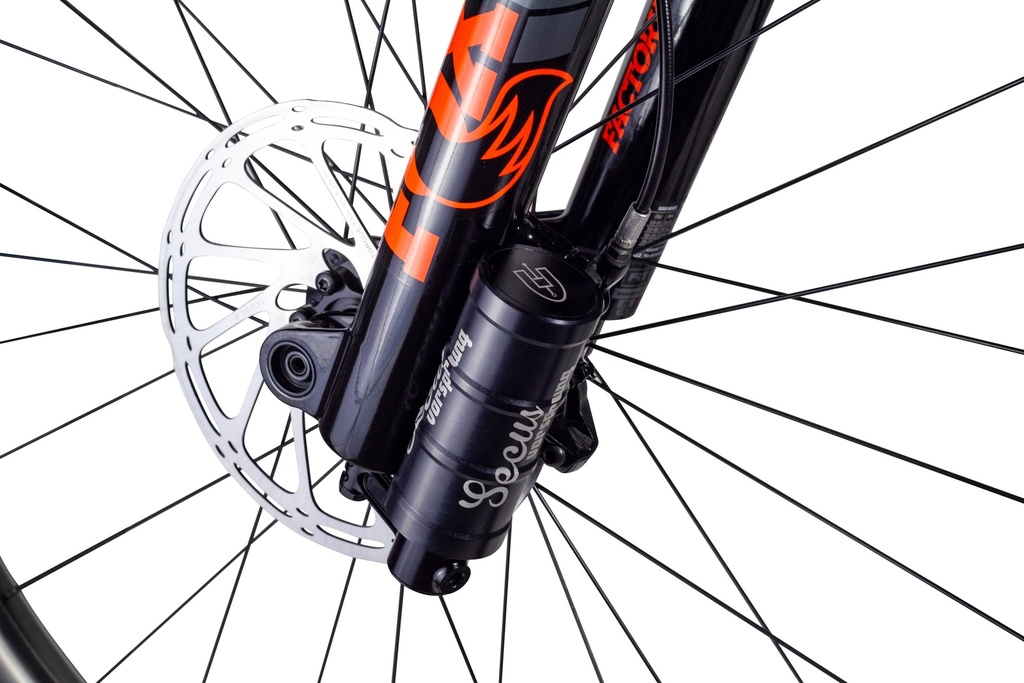
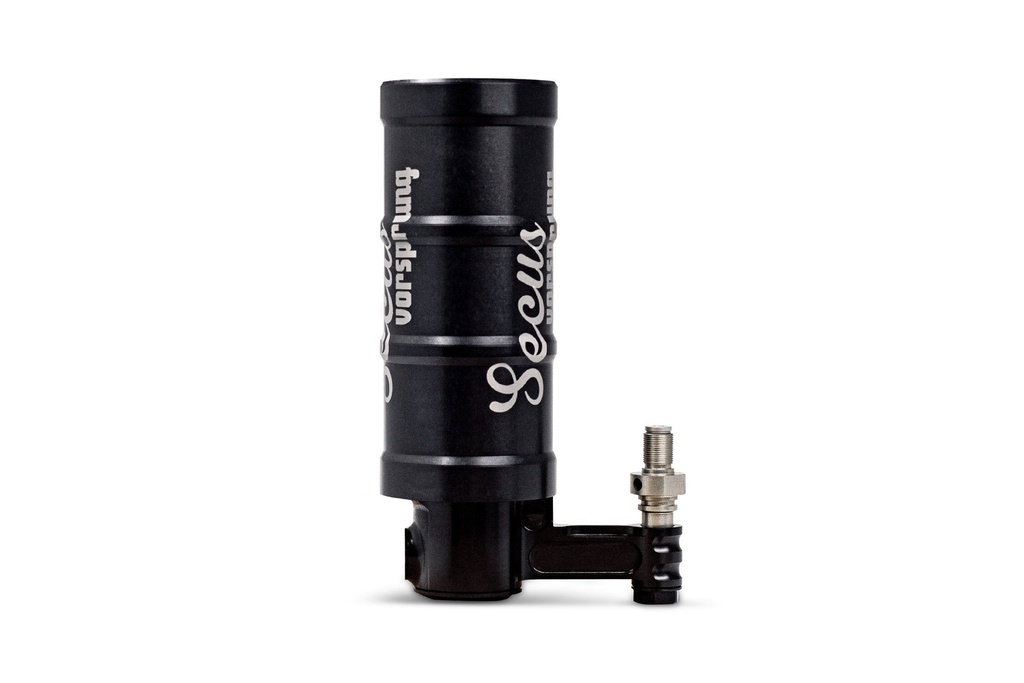
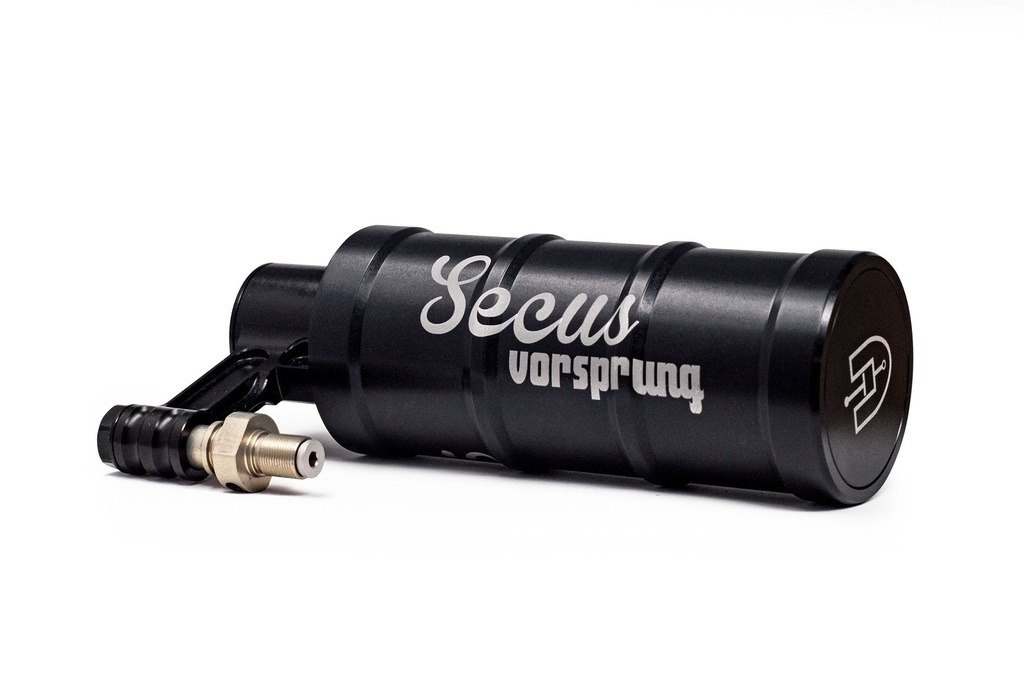
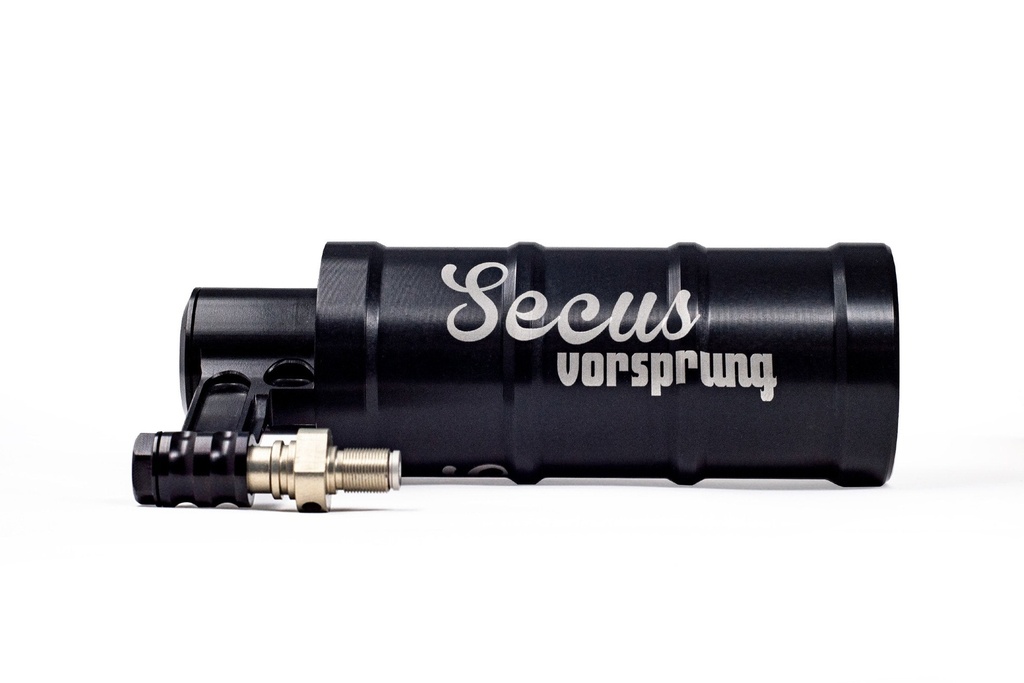
Secus Features
- Superior small bump compliance from enlarged negative chamber
- Experience enhanced support and predictability with our proprietary Midstroke Support Valve
- Coil-like plushness and predictability, with air spring bottomlessness
- Enables full use of travel in both directions
- Enhances lubrication with increased lower leg oil volume
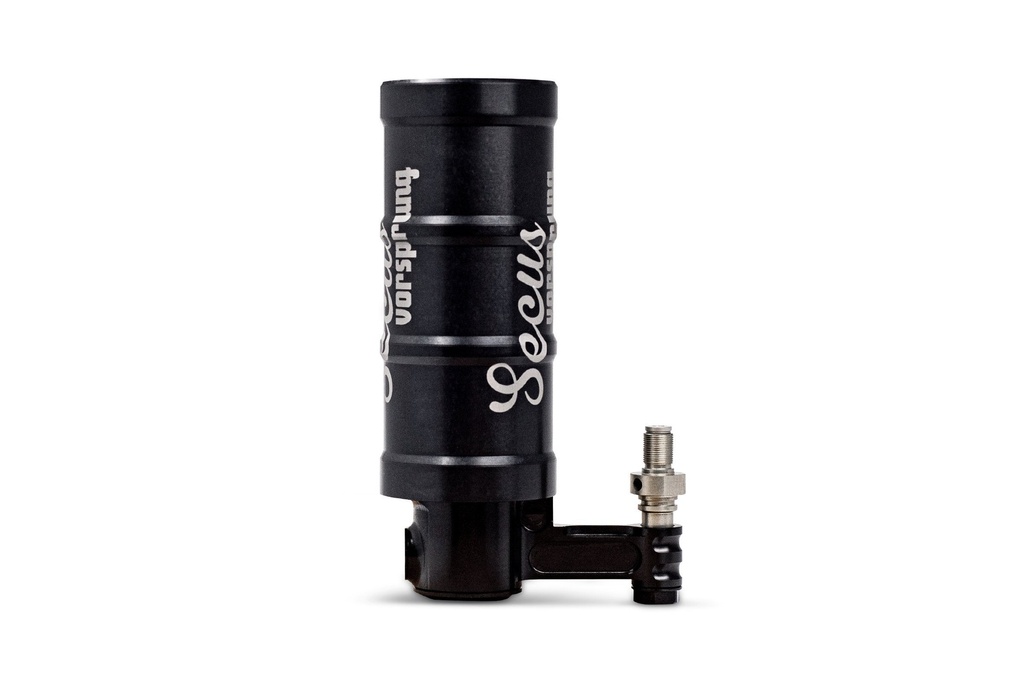
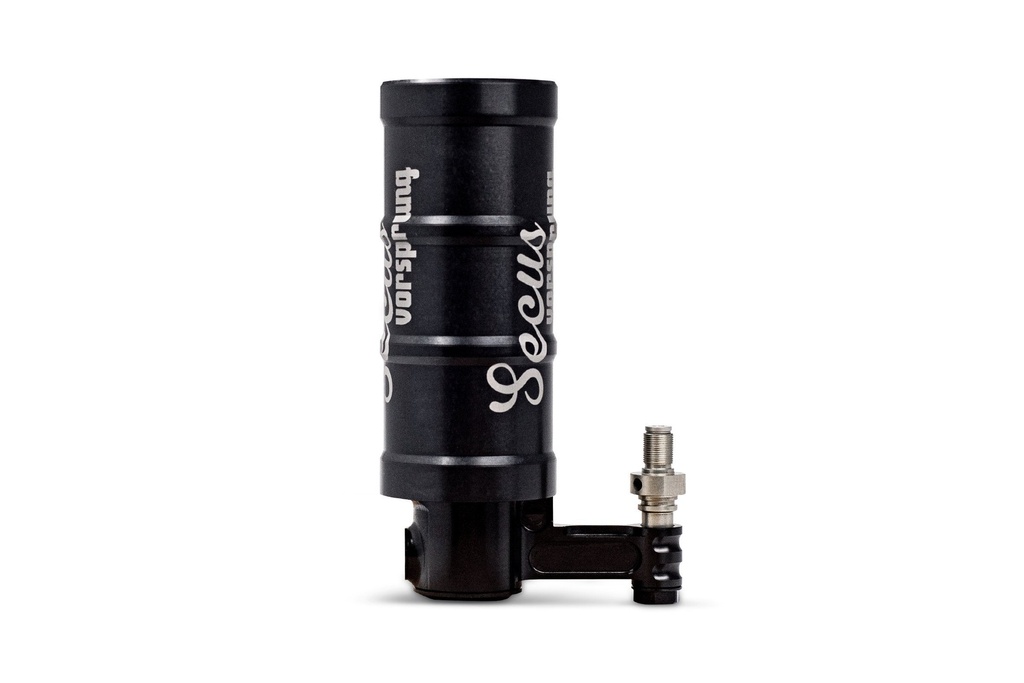
- Lightweight at just 130g
- Effortless setup -add air, bounce on it, press MSV charge button, ride
- Compatible with OEM volume spacers
- More consistent spring rate
- Transfer between compatible forks with just a footstud change

Three Stages of Control
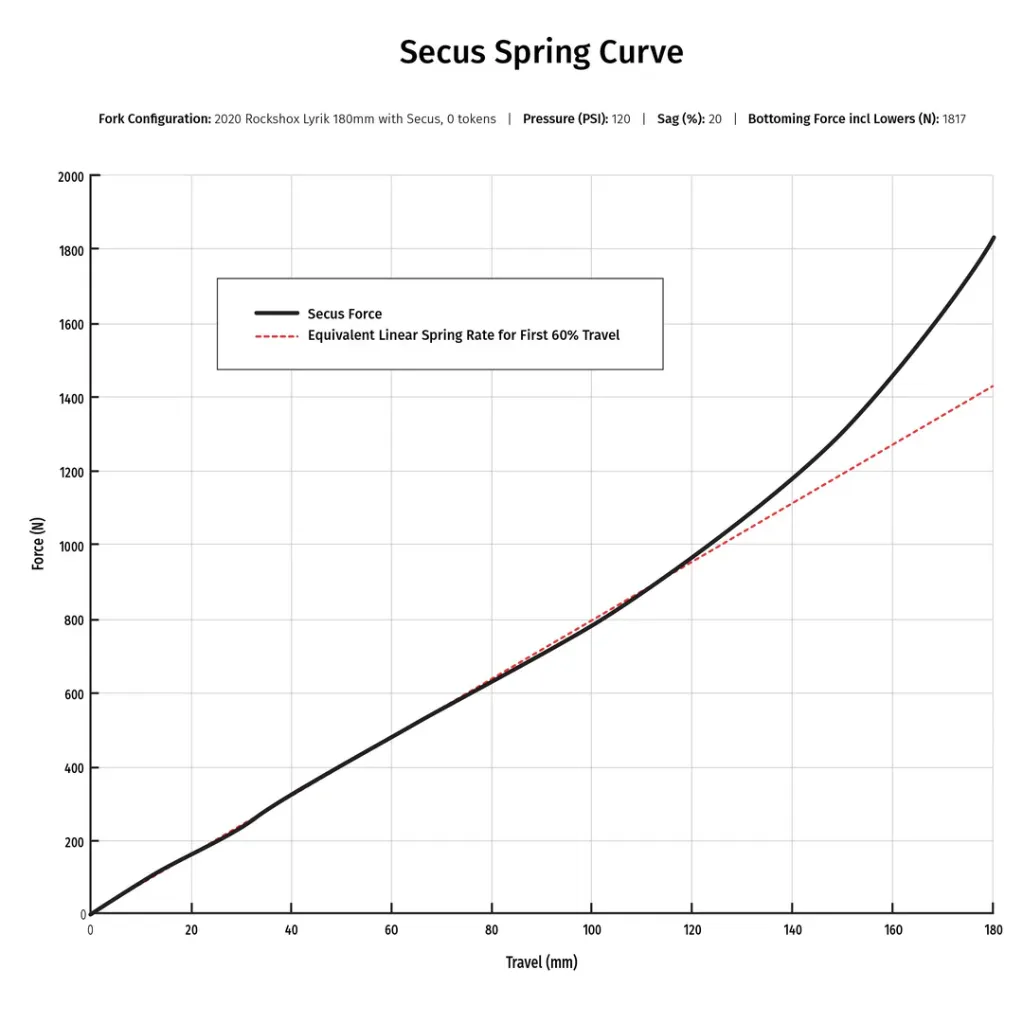
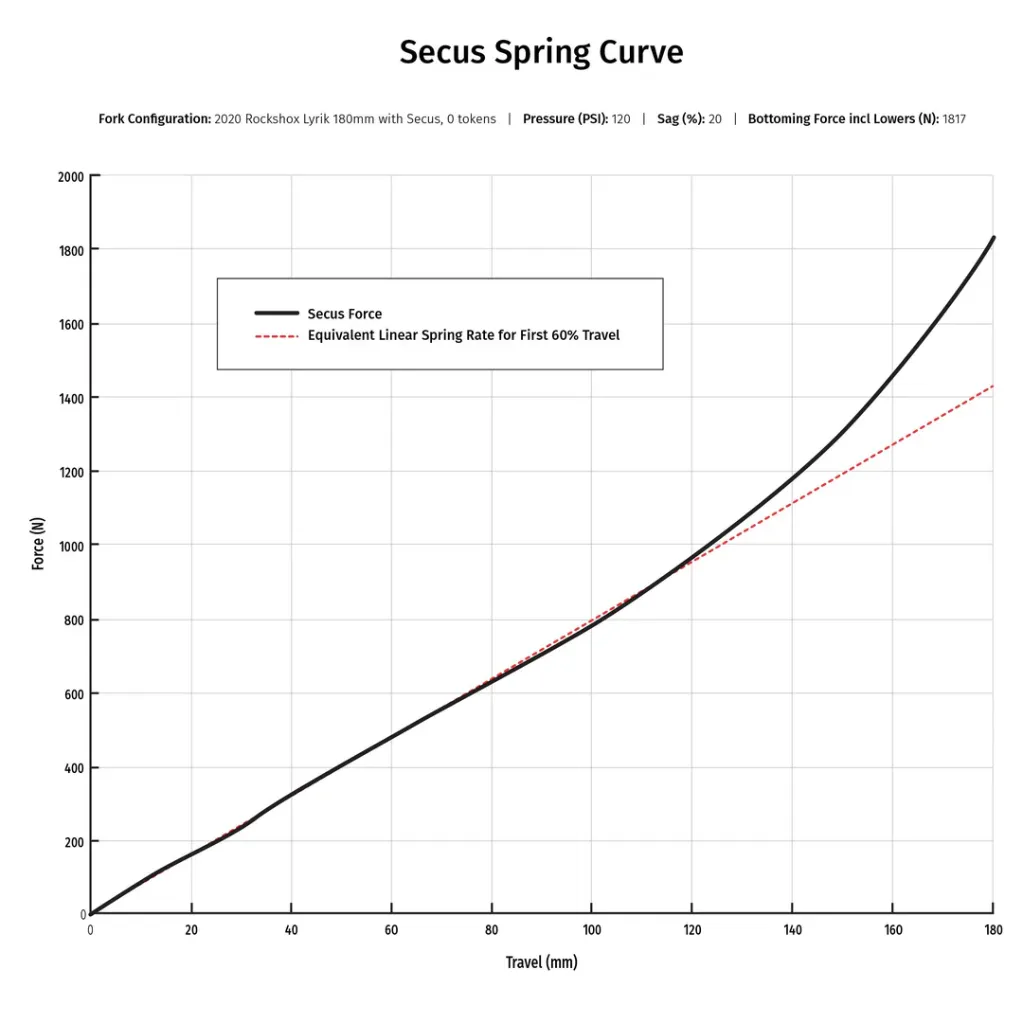
Optimizing the start, middle, and end segments of the stroke, the Secus provides a spring rate that combines linearity and progression, surpassing the capabilities of coil springs and traditional air springs.
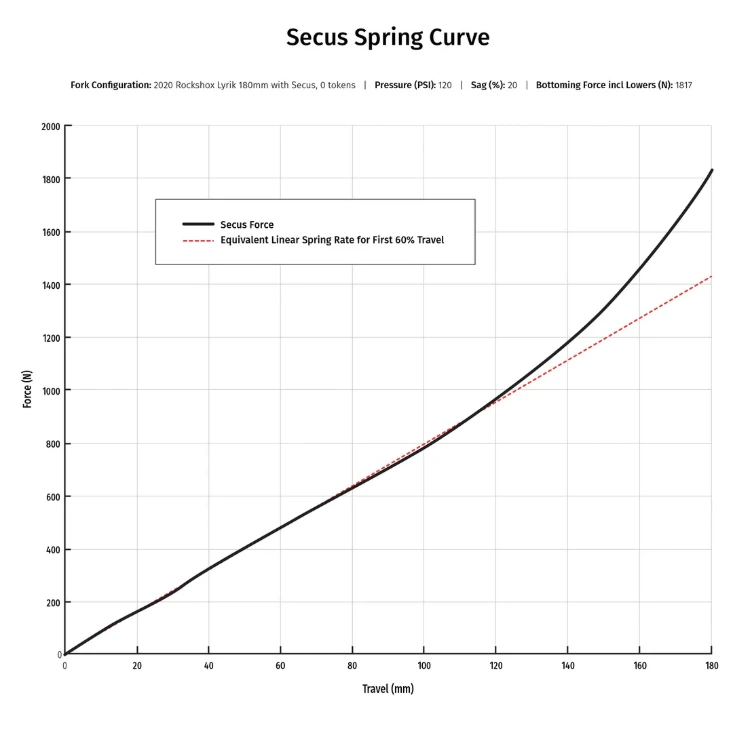
Initial stroke - enlarged negative air spring chamber delivers a soft, supple initial stroke for ultimate small bump compliance
Midstroke - where traditional air spring rates drop off in the midstroke, our proprietary Midstroke Support Valve technology boosts the midstroke spring rate to maintain linearity, for support, predictability, ride height and compliance
End stroke - enlarged lower leg volume reduces overall progression even at higher pressures and allows for a wider range of end-stroke ramp options to be utilised with standard fork volume spacers.
Frequently asked questions
Yes, absolutely - by significantly reducing the ramp-up effect that comes from compressing air within the lower legs of the fork (which generates the same force for all riders regardless of size, ie proportionally far more for lighter riders), we can make the fork work much more effectively for light riders.
Yes - the scalability of the whole air spring is improved. Heavy and light riders alike will now find the spring system performs much the same for either of them. However, manufacturer maximum pressure ratings need to be accounted for - typically with the Secus you’ll run about 20% higher pressure than with a stock air spring, so check your fork’s maximum rated pressure and ensure that you’re ~20% lower than that with your current air pressure before purchasing. While the Secus itself is fine at any realistic operating pressure you’re likely to encounter, we cannot guarantee that the rest of the air spring will hold up if manufacturer pressure ratings are exceeded.
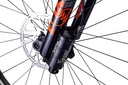
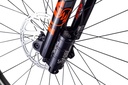
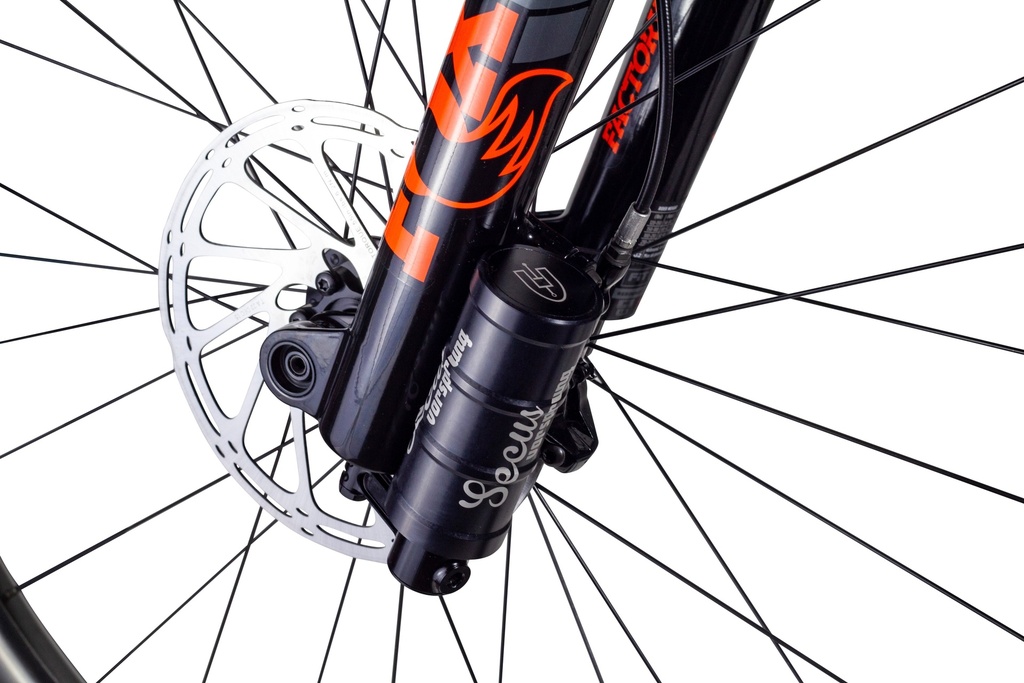
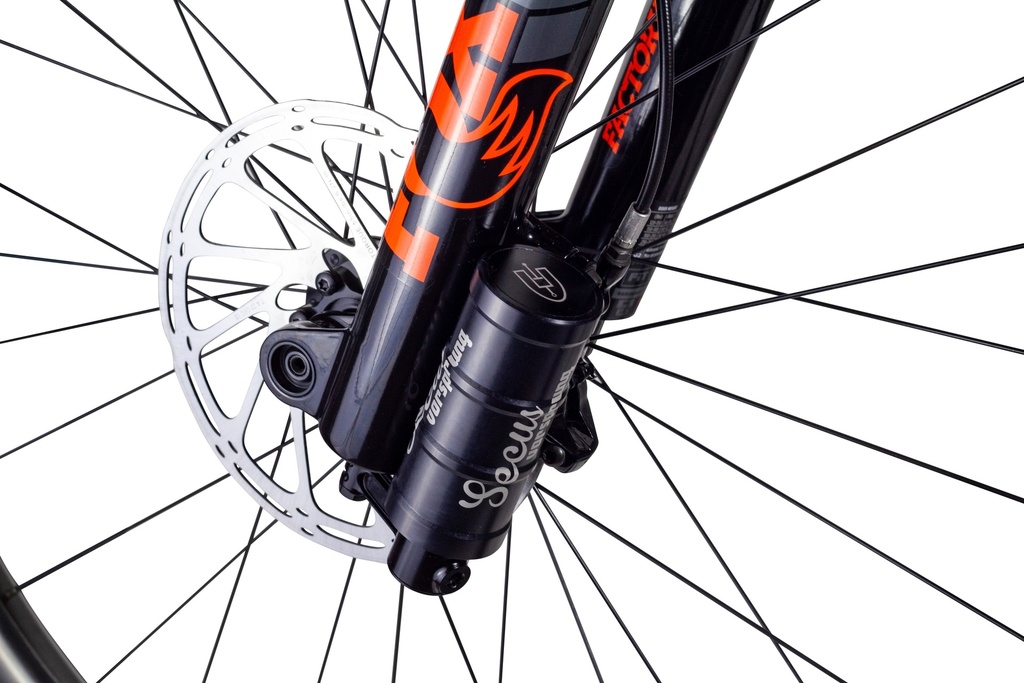
It’s true, you do now have an additional part outside your fork that you could potentially hit and damage. We’ve designed it to be as low profile as possible, able to flex out of the way for vertical impacts until it’s supported by the lowers, and able to rotate out of the way for lateral impacts until it contacts the brake caliper. It protrudes about 15mm (sideways) beyond the lower legs of a Fox 36.
However occasionally somebody’s going to get unlucky and damage it in a crash, just like any other bike part. To that end, we offer a 12 month crash replacement guarantee - if you damage it in a crash in the first 12 months of owning it, we’ll send you the replacement parts you need, free of charge - just email us a photo of what’s damaged and your proof of purchase and we’ll do the rest. (Wouldn’t it be nice if someone offered that for brake rotors or derailleurs?)
However, it goes without saying that you do need to use some common sense and be a bit more careful when taking the front wheel off and sitting the fork on the ground, flying with the bike in a bag/box, or throwing it over a tailgate pad, because even better than a crash replacement guarantee is not having to use it.
You’ll need a torque wrench with a crowsfoot adaptor, and 10mm shaft clamps (select the Secus + 10mm shaft clamp option in the drop down menu). Beyond those, nothing special is required - if you’ve serviced your fork’s air spring before, you can install this easily enough.
Not really. You need to depressurise slowly whilst holding the MSV charge button, but other than having to slide the Secus off/on the footstud and realign it when torquing the footnut, the process is much the same. Air spring services can be carried out as per normal using OEM factory parts. Lower leg services can be carried out as per normal using OEM factory parts. The o-rings on the footstud need to be inspected every service - if they’re dirty or damaged they’ll need replacement. Each Secus kit includes spare footstud o-rings to make sure you’re covered for this when the time comes.
No - while there is an additional floating piston, it’s not directly connected to any of the moving parts of the fork. It only moves once pneumatic pressure in the lowers is enough to overcome the seal friction. All the other moving seals are the factory seals from Fox or Rockshox.
No special tools are required to service the Midstroke Support Valve or the IFP. Service procedures can be viewed on our website.
We recommend servicing the Secus (cleaning and regreasing the MSV and IFP) every 200hrs, or approximately every 4 lower leg services if you’re keeping on top of your service intervals.
Seal kits are available on our webstore or from our dealers. We also publish specifications for all the o-rings it uses in case it’s easier for you to buy them locally. Spare footstud o-rings are included in the kit because these are the ones you’re likely to need first.
Yes - you may need another footstud. Please check compatibility above.
Yes - no issues here.
No - the spring and damper are physically and functionally separate components. This has no direct effect on the damper, so whatever damping characteristics you had before, you’ll still have after the Secus is installed.
Not necessarily - the average spring rate will actually be roughly the same as before, but the proportions change between early/mid/late travel. As a result, you’ll still need comparable amounts of rebound damping, and compression damping is largely based on personal preference regardless of spring curve. You may find you prefer slightly different damper settings with the Secus, but it doesn’t require drastically different damping settings (unless your existing settings weren’t well suited for you anyway).
You may prefer the performance of a better damper cartridge as well - however whether you upgrade your damper cartridge or not is actually a fairly separate concern to whether you install the Secus.
Yes, it has a similar effect on all forks - the extent to which it changes the spring characteristic decreases slightly as the fork’s internal volumes increase. Without overcomplicating things, this means it has a slightly larger effect on singlecrown forks (eg 32/34/36/Lyrik/Pike) than it does on dual crown forks such as the Boxxer or 40, however the improvement is marked even on dual crown forks.
Because there are simply too many variations to provide them for - even for one model of fork there are different travels, lower leg volumes by wheel size/year, volume spacer configurations, stanchion lengths, air spring shaft specifications, and then air spring pressure all affect the resulting spring curve slightly. However, the modern Fox and Rockshox forks are generally so similar in their spring characteristics that differentiating between them is basically splitting hairs.
No. The C1 sealhead effectively shortens the air shaft and reduces/eliminates the pneumatic topout control present in the B1/B2 air shaft assemblies. While the Secus can be physically attached to a C1 Debonair air shaft assembly, it will reduce your travel and may top out noticeably loudly. We strongly recommend replacing the C1 sealhead with a B1 sealhead.The replacement B1/B2 sealhead is available here.
On Rockshox forks no. On Luftkappe-compatible Fox forks it's physically possible but it will not perform well. Use the stock air piston with the Secus instead.
No.
Yes, continue to use the bleed buttons as per normal.
It’s an upgrade kit for performance-minded riders who want the best from their bike - you don’t need it to go ride your bike and have fun, but it will improve your ride quality.
You can feel a big difference just pushing on the fork in the parking lot. It’s not a subtle difference.
The BIP sealhead is a replacement sealhead for Rockshox Debonair C1 type air shafts in the 35mm forks (Pike and Lyrik), it is the same as the B1/B2 type sealhead but better because it's black instead of red.
SMASHPOT OR SECUS, WHICH ONE IS RIGHT FOR YOU?
Most mountain bike forks these days are air sprung, likely due to being easily adjustable and light, however the performance benefits of coil springs are clear, so why one and not the other - ‘Should I go for the Smashpot or the Secus?’
A question that comes up often is 'Which one should I get?'. Before diving into this, let's look at the difference in behaviour of coil springs and air springs in forks. The best way to do this is by observing their spring curves - a graph of how much force it takes to compress the spring, and its displacement at each point in the travel. That is, what is happening with the spring rate as a fork moves through its travel.
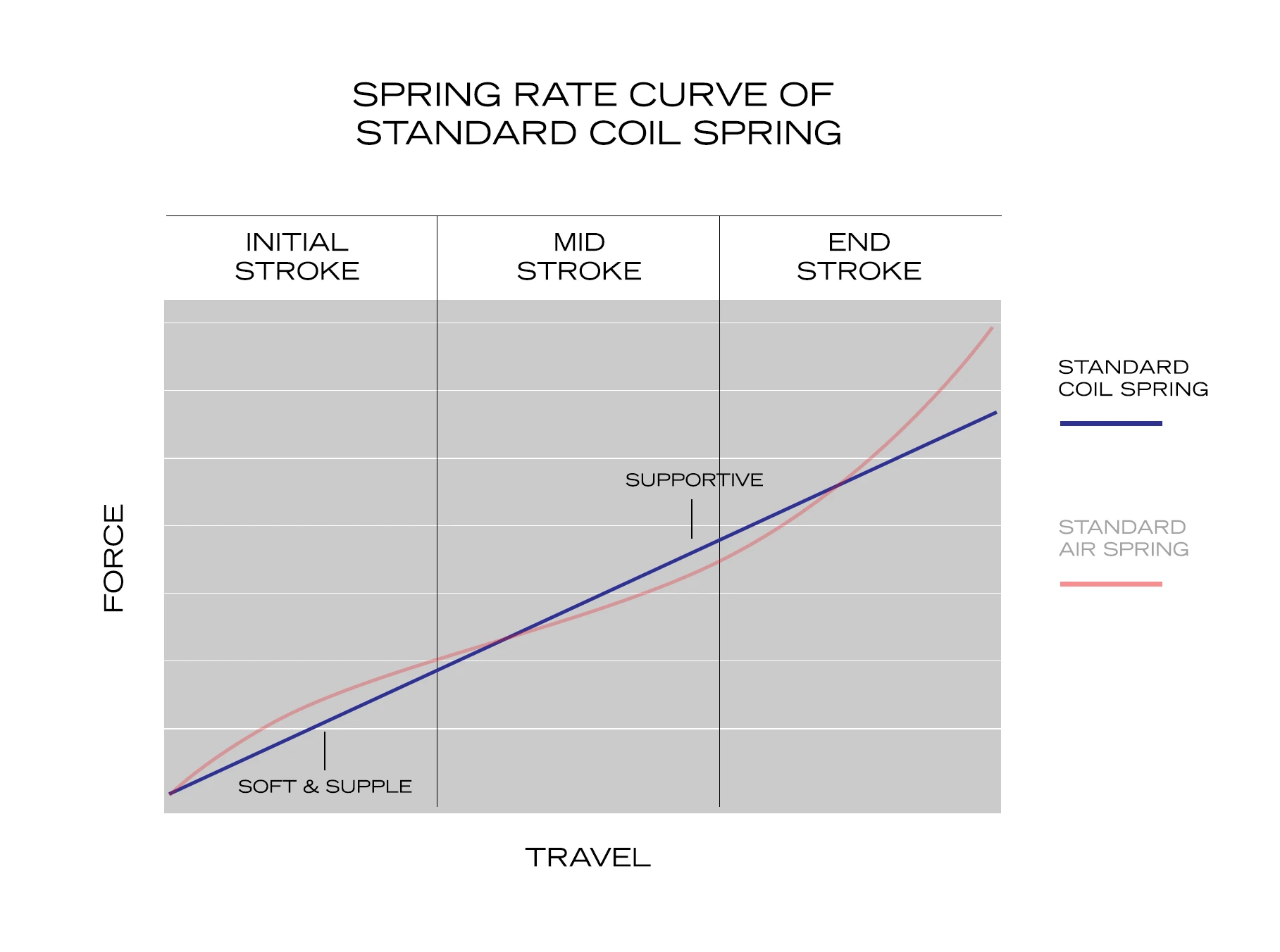
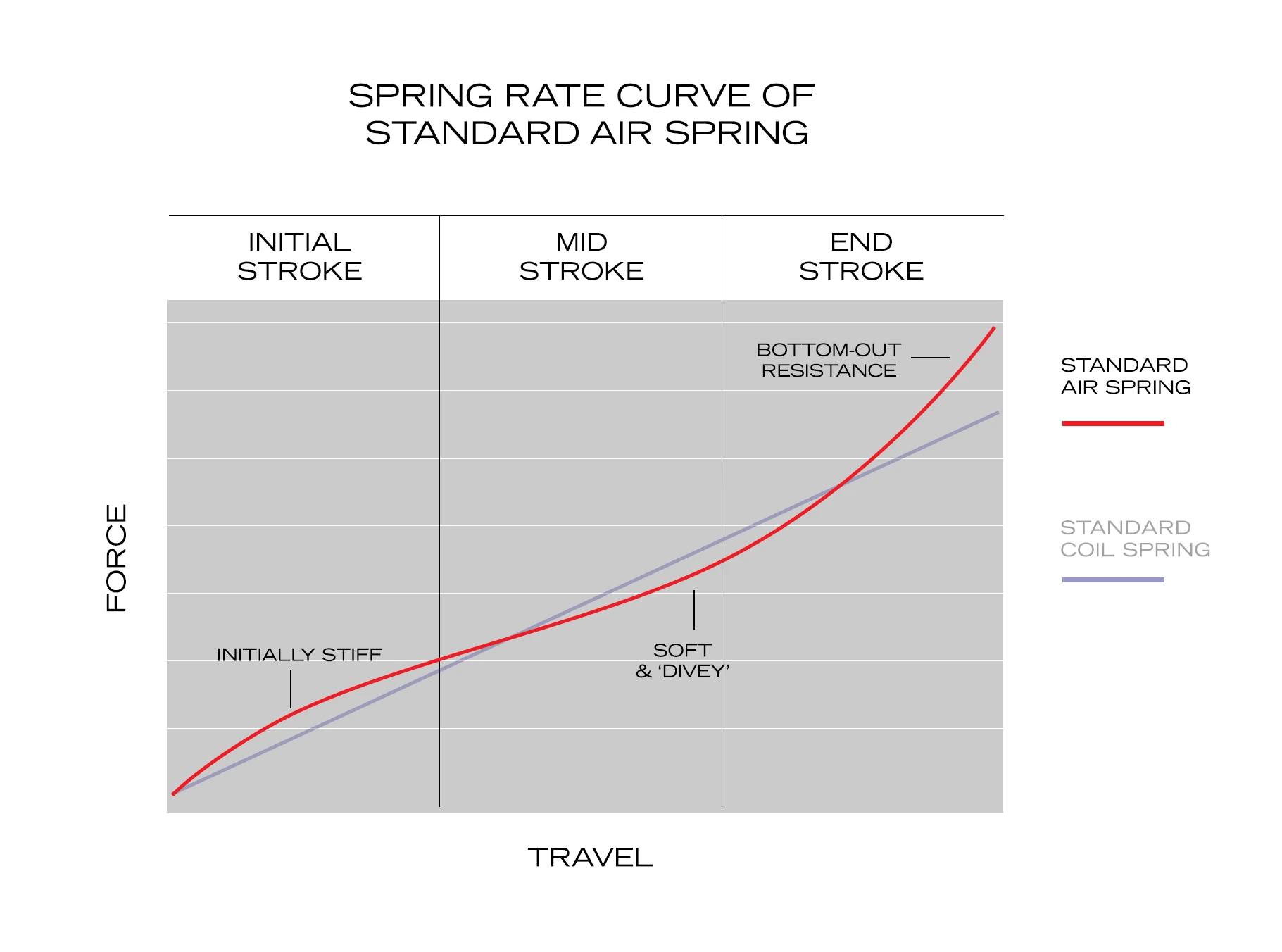
The spring rate of a coil spring remains consistent as the fork moves through its travel.
The spring rate of an air spring is not consistent, and ramps up as the fork moves through its travel.
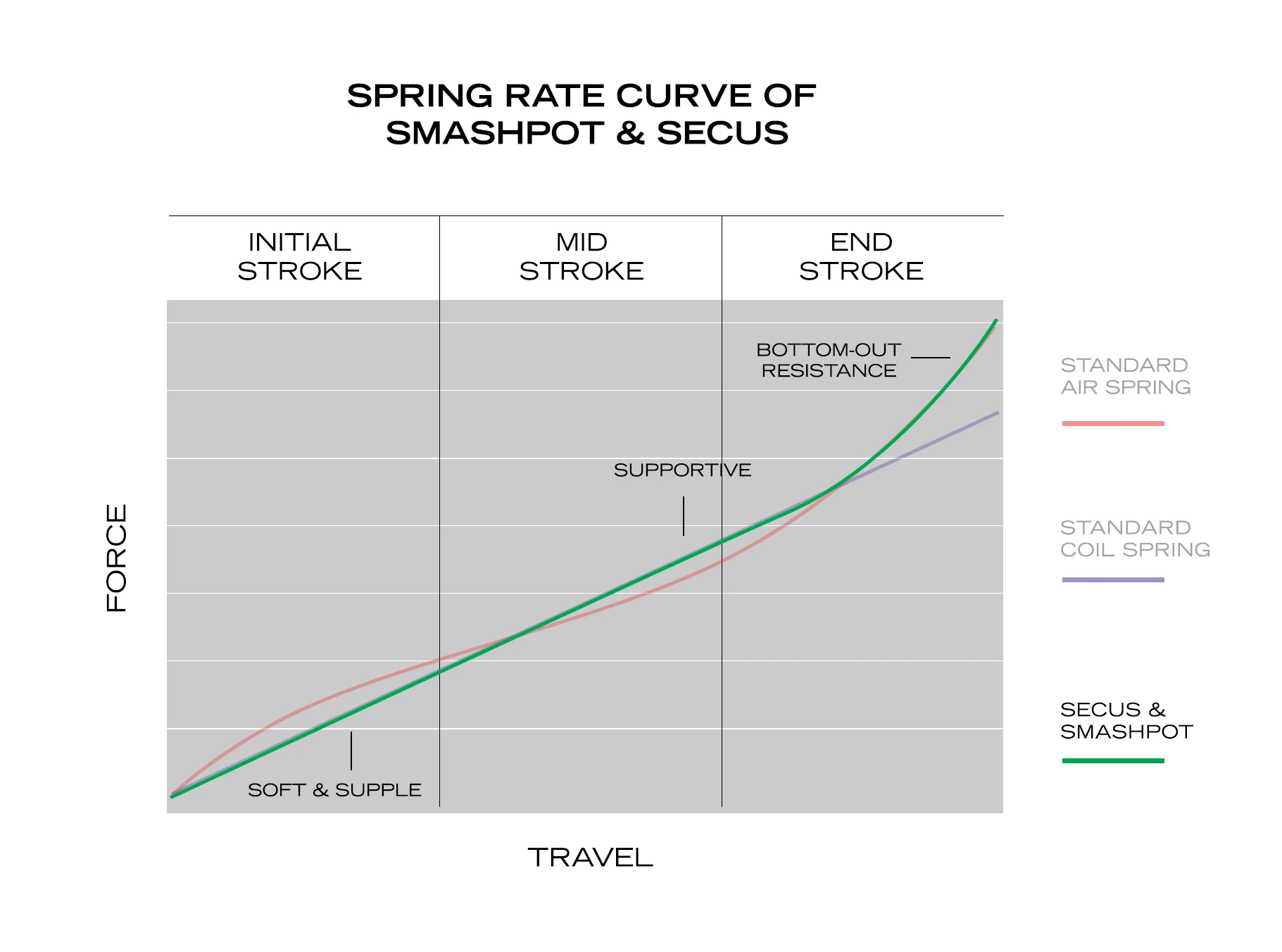
Both our Smashpot and the Secus aim to deliver a linear spring rate curve for the majority of the travel, with adjustable end-stroke ramp.
SO WHAT'S THE DIFFERENCE?
| Smashpot | Secus | Difference | |
| BOTTOMING PROTECTION | Has an externally adjustable hydraulic bottom-out system. | Comes from its air spring curve ramp up | Both the Smashpot and Secus offer bottoming protection. |
| SPRING RATE SET UP & ADJUSTMENT | Adjusting your spring rate on a Smashpot requires physically changing springs. The hydraulic bottoming control is adjusted with an external dial. | Adjusting your spring rate with a Secus requires adding or subtracting air like any other air fork. You can add or subtract tokens to control the end-stroke ramp. | If you love to fiddle with your setup for various reasons, the Secus is the way to go. If you’d rather set and forget, the Smashpot. |
| FRICTION | Has zero stiction or friction, no moving seals in the spring system to wear out, cause friction or leak. | Is no different to stock air fork as sliding seals are unchanged | Smashpot is the clear winner here, as air spring sliding seals are a significant fraction of the fork's total friction. The Smashpot can reduce total friction in the fork by as much as half. |
| MAINTENANCE | - Low maintenance - Check heat shrink location on spring and replace oil with each lower leg/dust wiper service, performed at manufacturer's recommended intervals. - No other seals need routine maintenance. | - Air spring moving seals are unchanged from stock - still need servicing periodically as per manufacturer's recommended intervals. Lower leg servicing intervals remain as stock. - Secus body to be serviced every 200hrs. | Smashpot performance doesn't degrade over time whereas air springs do develop more friction and stiction over the course of their service intervals. |
| REVERSION TO STOCK | - No guarantee of being able to convert back to air for Pike/Lyrik/36, spring may score inside of stanchions. - Fox 38 will typically be able to be reverted to air as the stanchion is protected by a sleeve. | - Can return to stock by replacing the original footstud. | For the 38, no difference in removing the Smashpot to carry forward to your next fork, but for other forks the Secus has an advantage here. |
| WEIGHT | - Adds approx 250-500g depending on spring rate and what fork it was added to (weight of air spring components removed must be accounted for). | - Adds approx 130g. | Secus is the clear winner in terms of weight. |
Alternative Products
These other products might interest you